


Dried foods do not undergo microbial degradation easily. Perishable foods such as grains, fruits, vegetables, nuts, milk, eggs, and meats are most often dried to increase shelf life. If the lower moisture of dried foods obtained upon dehydration remains constant, they can be stored satisfactorily for long periods. The public health significance of dried foods is also considered in this chapter.
What are dried foods?
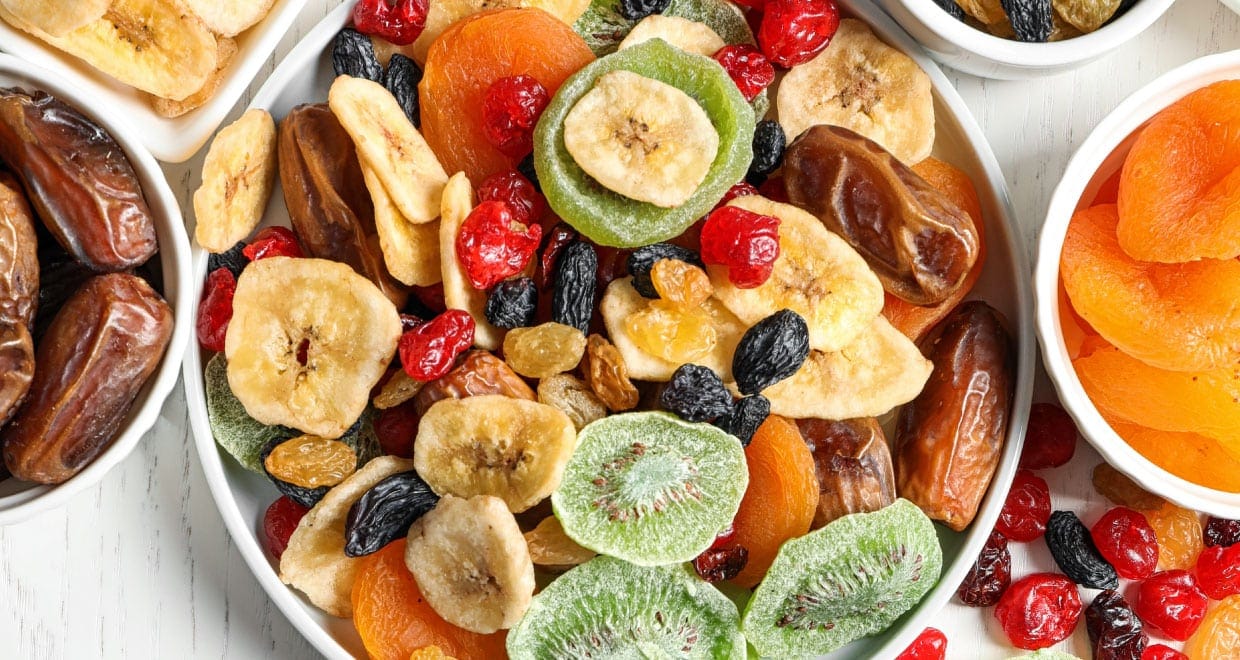
Drying has been the world’s oldest and most common form of food preservation. The drying technology is simple and easily accessible to the majority of the world’s cultures. Examples of dried foods include jerky, powdered milk, dried beans and peas, potatoes in a box, dried fruits and vegetables, pasta, and rice. Canning technology is only a couple of centuries old, and freezing wasn’t really practical until this century, when, of course, electricity became more commonplace.
How healthy are dried foods?
Jerky, fruits, and other dried snacks are sweet and convenient to keep and eat. Drying or dehydrating is the oldest way to preserve food. It makes them last longer, and they can be safely eaten. The food nutritionally remains largely the same, although using the drying process may destroy vitamins A and C. And the calorie count can increase as the food gets smaller and nutrients get more concentrated.
Dried food types and uses
- Dried Fruits: Dried apricots, grapes, apples, and peaches can also be found. They can be eaten as snacks, mixed with muesli and granola mixes, and can also be used in desserts and pastries.
- Dried Vegetables: Tomatoes, peppers, and mushrooms are used dry. They go well together with soups, stews, and sauces. It is also preferred as a practical, emergency ingredient.
- Dried Herbs and Spices: Dried herbs (thyme, mint, basil, and different spices) are also available. They help in adding aroma and flavor to the dishes, and they can be stored for a long time.
- Dried Meats: Dried meats like bacon and jerky are notorious for having high protein content and are snack or meal options.
- Dried Legumes: Some of the legumes that can be stored in dried form include lentils, chickpeas, and beans. They can be consumed in soups and dishes, remain fresh over long periods, they maintain their nutritional content.
Below are some of the popular dried food types and uses include:

Raisins
Raisins are dried grapes. They are full of antioxidants, which protect your cells. They’re also high in fiber, iron, and potassium. As they dry, raisins lose water and shrink, and therefore any remaining sugar and calories are more concentrated. In addition, some brands have also introduced sugar. One large handful (1 ounce) of 60 raisins will contain 17 grams of sugar.
Apricots
The dried apricots are richer in most nutrients compared to the fresh ones. Servings of 5- to 6-dried apricots contain over four times the fiber of a whole fresh apricot. Fiber reduces your risk of heart disease, diabetes, and certain forms of cancer. Dried apricots have more potassium, iron, and calcium as well. However, they are also much higher in calories and sugar. And most of their vitamin A and C are destroyed during the process of soaking.
Prunes
Prunes are dried plums. Apart from some vitamins, virtually all other nutrients are more abundant in prunes than in plums. Rich in potassium, iron, fiber, and vitamin K as well as antioxidants, they are. Having plenty of calories and sugar, like other dried fruits, they are. Prunes also ease constipation.
Dried Berries
Dried berries contain more nutrients – fiber, iron, potassium – than fresh fruits. But when the liquid is eliminated, the sugar and calories do add up. Blueberries are famous for their antioxidants. But when dried, they lose up to half of those powerful substances.
Dried Vegetables
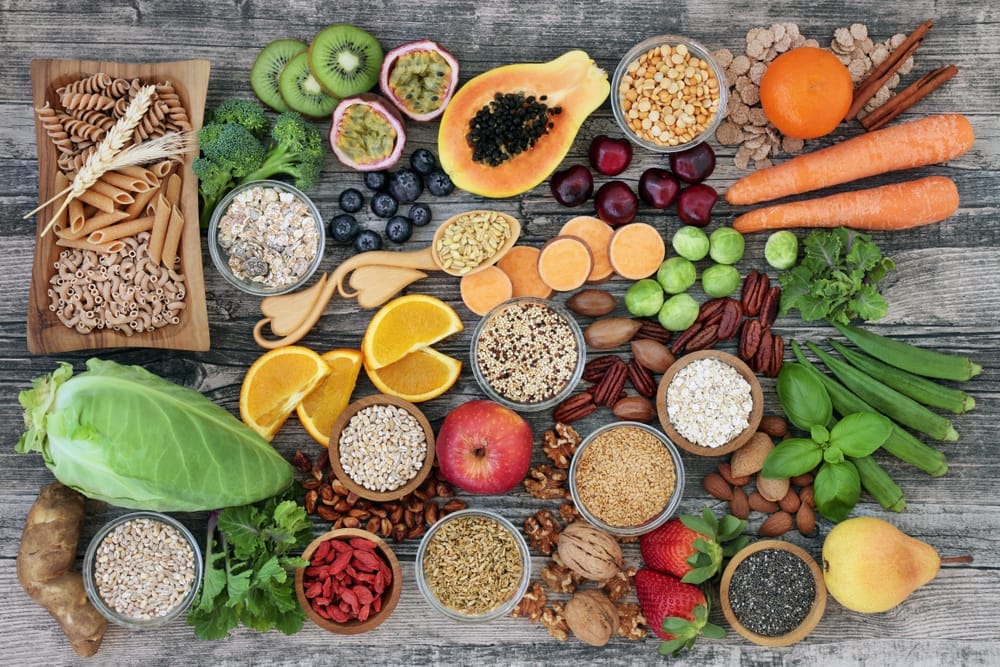
Most vegetables, from broccoli to squash, can be dried to be eaten as snacks or used later in soups or in other dishes. Just as fruit, dried veggies can preserve more nutrients as compared to their fresh counterparts. But they can also spoil vitamins A and C during drying.
Different methods of drying food
Using an Oven
The temperature should be at 140 degrees, or else your food will be cooked and not dried. Leave a few inches around the door to let the moist air out. If possible, install a fan near the oven door to get the air moving inside. There are special trays, or you can use your oven racks, wrapping them in muslin or cheesecloth. Layer out the content on a single layer and rotate intervals of every few hours. The food will take several hours to dry.
Using a Dehydrator
Dehydrators require less time and less energy than one would use for an oven. Pretreatment of most produce with blanching in boiling water will kill bacteria and give a good flavor. Place pieces in a single layer on a tray at 140°. To ensure food dries evenly, turn the trays from top to bottom rack halfway. Times change, but it will take a few hours.
Drying in the Sun

Sun drying only works well in places that are low in humidity, and in high temperatures most of the day. And it is only good for drying fruit. Put the slices in clean racks or screens and cover by using netting, cheesecloth, or any other screen. Leave the fan to blow across the racks. Sun drying requires consistent sun and may take a few days. Make sure to take the food in during the evening.
Properties of dried foods
- Long Storage Life: Food that is dried has a long storage life due to its low water content. The food remains fresh for a long period without spoiling.
- Concentrated Flavors: Foods dried become more flavor-concentrated as the water is evaporated. This imparts a richer taste to food.
- Nutritional Value: Drying maintains foods’ nutritional value, though a few vitamins and minerals get lost. Yet, most dried foods preserve a lot of their nutritional value.
- Practicality: Since they are light and small, dried foods are easy to transport and store
Uses of dried foods
- Snacks: Dried meat and fruit are favored as healthy snacks.
- Soups and stews: Dried vegetables and legumes can be added to soups and stews to enhance flavor and nutrition.
- Desserts and Pastries: Dried fruits are an ideal component of cakes, cookies, and other desserts.
- Flavouring Dishes: Dried herbs and spices are used for flavouring and giving aroma to food.
Storage and use
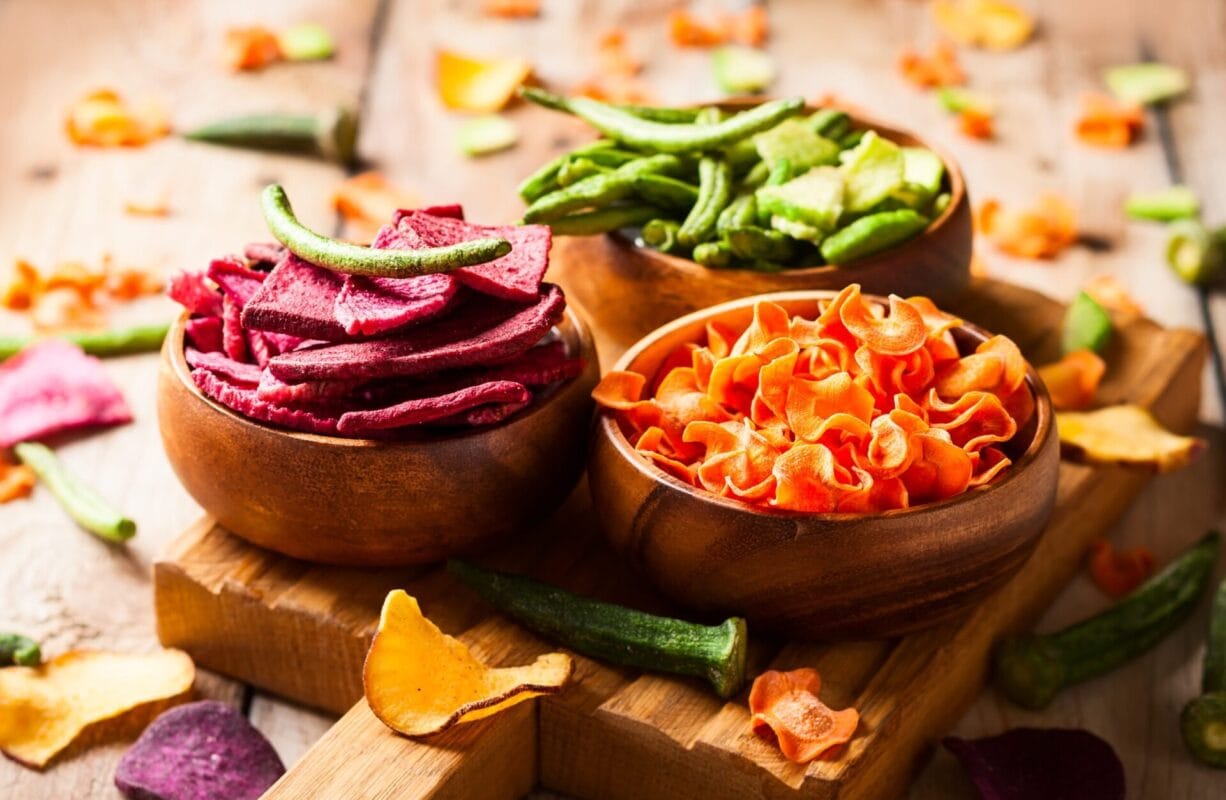
- Storage: Store dried foods in a cool, dry location. Dried foods are sensitive to light and moisture, and thus they need to be kept in airtight containers.
- Use: Before use, some dried foods can be rehydrated with water. For example, dried vegetables and fruits can be rehydrated with water before being used in cooking.
Conclusion
Dried foods provide long-term, practical, and delicious options. An excellent healthy diet alternative, these products can be employed in a wide variety of meals and snacks. With the quality dried foods from Greatfoods at a reasonable price, you can introduce to your kitchens long-lasting, nutritious conveniences.
For inquiries and orders, please contact us at:
- Facebook: Greatfoods
- Youtube: Greatfoodsvn
- Email: [email protected]
We are happy to partner with you in the future!