


When doing B2B business in agricultural products, knowing how to grade goods is: top priority, not just a preference. Because cashew nuts are in great demand, they are always graded according to detailed worldwide rules. Anyone in wholesale, importing, manufacturing or distribution business can find value in knowing the cashew nut grades. This guide separates useful advice from the rest and shares tips B2B leaders can count on.
What cashew nut grades mean for bulk buyers
Grading cashew kernels is mostly done by weighing the amount of nuts in a pound, so bigger nuts have a higher grade. As a result, unit prices, packaging and intended use are all affected.
- W180 (170–180 kernels/lb): A grade reserved for the very largest beans. Offered in the packaging of premium snacks. The wedges have large costs but look amazing.
- These W210 & W240 shapes are just slightly smaller and serve well for gift tins, chocolate or gourmet mixes.
- Most markets prefer to purchase D1-6 which gives them the strongest cost-to-size benefits. Perfect for everyday office or home surfing.
- Their smaller kernels and lower price make W450 & W500 favorites for use by food processors in grinding mixtures.
These cashew nut grades are decided based on standard norms of trade and should be listed on all relevant documents.
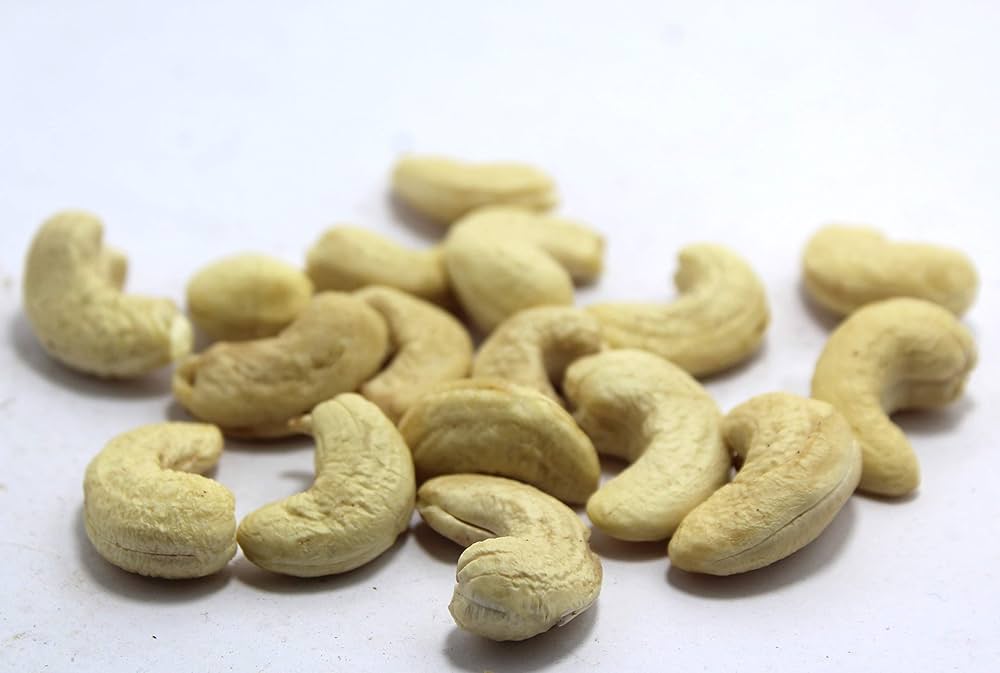
Color-based cashew nut grades
A vegetable’s color indicates its processing standards and plays a role in final product presentation.
- WW: Only high-quality kernels, with a color ranging from pale ivory to white. Made for use with simple or transparent packaging or as retail brands exported to other countries. Contains light brown steam-trimmed parts, caused by extended roasting. Although in good shape and practical for producing and storing baked products.
- Dessert Wholes (DW): See very discolored. Less expensive which makes them suited to products whose appearance doesn’t matter much (such as nut butters or sauces).
Knowing these terms matters for purchasing when focus on appearance isn’t necessary, as you can strive for a cost-effective solution without compromising on features.

What your suppliers should know about cashew nut grades
Strict grading standards must be followed in the cashew trade and guarantee that the cashews are high quality, correctly priced and conform to all laws and regulations. When doing business as a B2B buyer, it’s necessary to work with suppliers who know and apply globally accepted grading methods if you hope to keep your goods consistent and maintain your reputation.
Standard DDP-17: The International Benchmark
The UNECE designed Standard DDP-17 to be used only for cashew nut grades. Based on kernel size, how similar the color is among the kernels, their moisture content (under 5%) and the number of allowed defects, grains are assigned to “Extra,” “Class I,” or “Class II.” Banks across Europe and the Middle East rely on this standard to create consistency in cross-border activities. Whenever goods are exported to UNECE regions, suppliers should supply official certification or references to these classes.
AFI Standard: Critical for U.S. Market Entry
When shipping to the United States, the Association of Food Industries (AFI) is the standard most used by suppliers. None of these lots can have more than 5% moisture, allow any foreign matter or include cracked kernels. Most AFI grades are handled by five categories:
- The First Quality Fancy is a cherished product among hat wearers.
- Add Second Quality Scorched
- Third Quality with Screwed-Up Scorched
Heightened sensitivity in these areas is determined by both damage and discoloration standards. Major U.S. retailers need AFI compliance to allow for entry and it is also required in audit trails for companies offering private-label and organic products. An effective supplier will refer to AFI rules in the spec sheet or during a quality review.
Vietnam’s TCVN 4850:2010: Essential for Export-Origin Transparency
Vietnam exports the most processed cashew nut grades in the world and uses TCVN 4850:2010, Vietnam’s national cashew classification standard. The system works in harmony with UNECE and AFI guidelines while also offering local tolerances for adjustments in kernel size, spotting, infestation and roasting issues. Those exporters who use TCVN standards usually can provide very detailed sorting, including WW320-SW or BB and they often mention both system categories on their shipping paperwork.
Following this standard matters to importers because it ensures that items are the same quality and tailors documents needed for successful import to nations that appreciate Vietnamese grading.
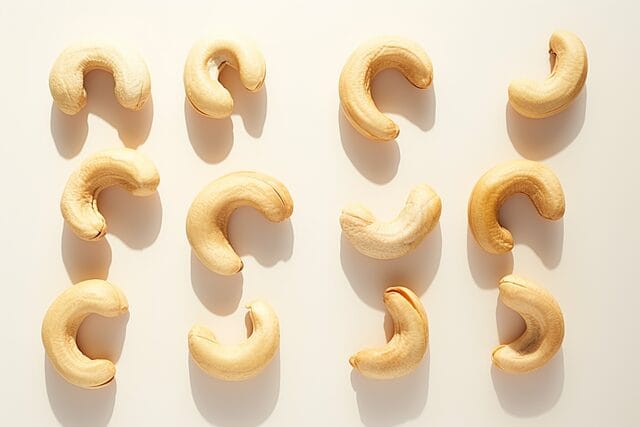
What cashew nut grades suppliers should be able to provide
B2B suppliers worth considering will always offer at least:
- COA includes analyses of moisture, oil and mistakes found
- All shipment grades follow the WW320 and SW240 codes as outlined by UNECE/AFI/TCVN
- Official testing results for big orders
- Records of traceability covering every stage from the nut’s beginnings to final packing
- Certifications of processing facilities such as HACCP, ISO and BRC
Lacking the right documents or having inconsistent grade reports means your operation does not know what it is receiving and is therefore potentially liable for regulatory penalties, unhappy customers or product withdrawals in the supply chain.
Greatfoods: A trust cashew nut grades manufacturer in Vietnam
At Greatfoods, we realize that dependability matters most in B2B agricultural sourcing. That’s why our cashew nut grades are both competitively priced and handled according to strict international guidelines like UNECE DDP-17, AFI and TCVN 4850:2010 from Vietnam. We offer both high-quality W180 kernels for retail and less expensive pieces and splits for industrial purposes, all backed by our firm quality process and strong traceability measures.
We are unique because we focus on customer needs with our customer-centric procurement practice which provides:
- Grades can be sorted to order and packed in bulk form.
- Easy-to-understand paperwork and export rules
- You can see where your shipment is, right from being farmed to when it is loaded into a container.
- Record of processing multiple international orders in a timely fashion
Greatfoods supports the trade in cashews between Vietnamese producers and the buyers and manufacturers all over the world. Should you need cashew nut grades that suit your needs, delivered with accuracy and high standards—reach out to Greatfoods for help.
For inquiries and orders, please contact us at:
- Facebook: Greatfoods
- Youtube: Greatfoodsvn
- Email: [email protected]
We are happy to partner with you in the future!