


This article will share all about the question: what is gynostemma pentaphyllum, its origins, uses, and why it is gaining worldwide recognition. Jiaogulan (Gynostemma pentaphyllum), is a creeper of the Cucurbitaceae family whose native land is East and Southeast Asia. It can be retailed as a trade name, including but not restricted to, five-leaf ginseng, sweet tea vine and miracle grass. In the international market, Jiaogulan is gaining popularity in the production of herbal tea, dietary supplements and nutraceuticals particularly at a time when enterprises request natural ingredients that have phytochemical content.
In the suitable growing climate and providing the resources, Vietnam is becoming an eligible bulk herbal supplier who can afford to supply large volumes of products to global B2B partners.
What is gynostemma pentaphyllum
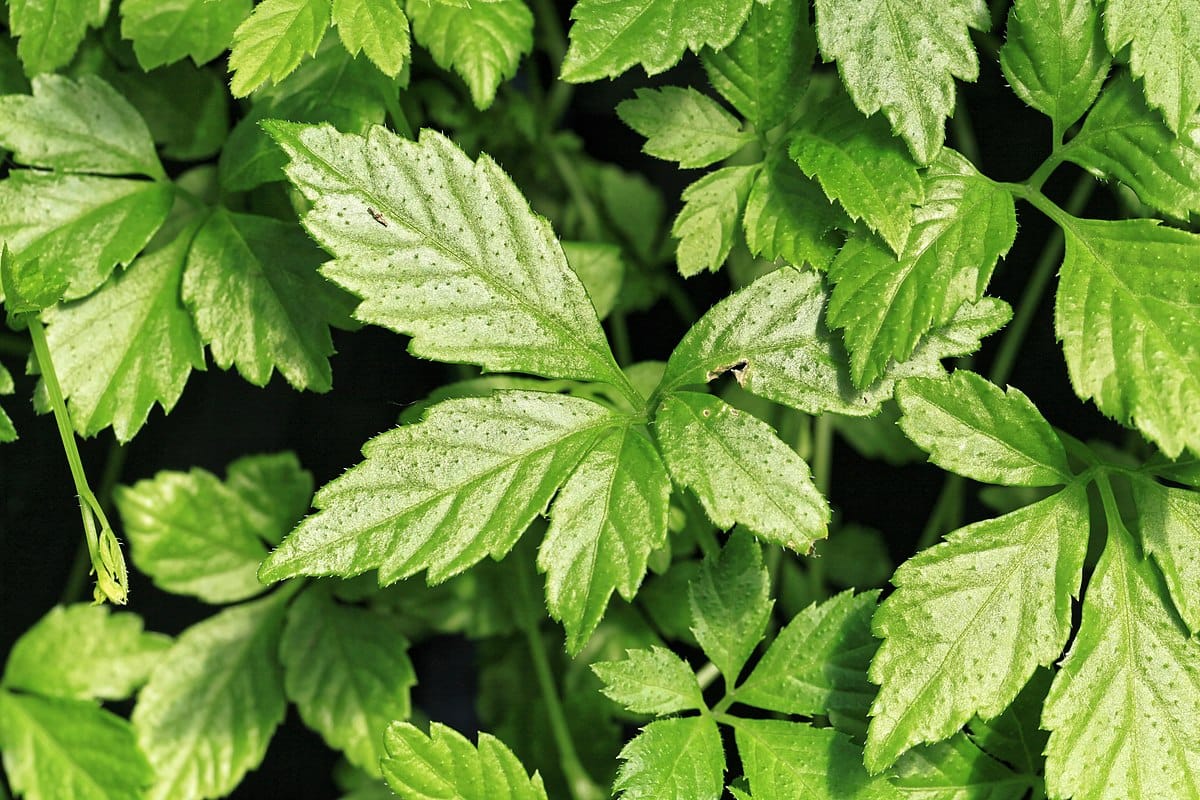
To answer the question what is gynostemma pentaphyllum, it is a perennial climbing vine that is growing usually in the mountainous territories over 300 m in North and central Vietnam. It is a dioecious plant (separate male and female plants) with the typical raised five serrated leaflets. Jiaogulan is an indigenous Chinese plant, though it is cultivated nowadays in East and Southeast Asia (Vietnam, Japan, Korea, and New Guinea).
It is majorly used in industries in:
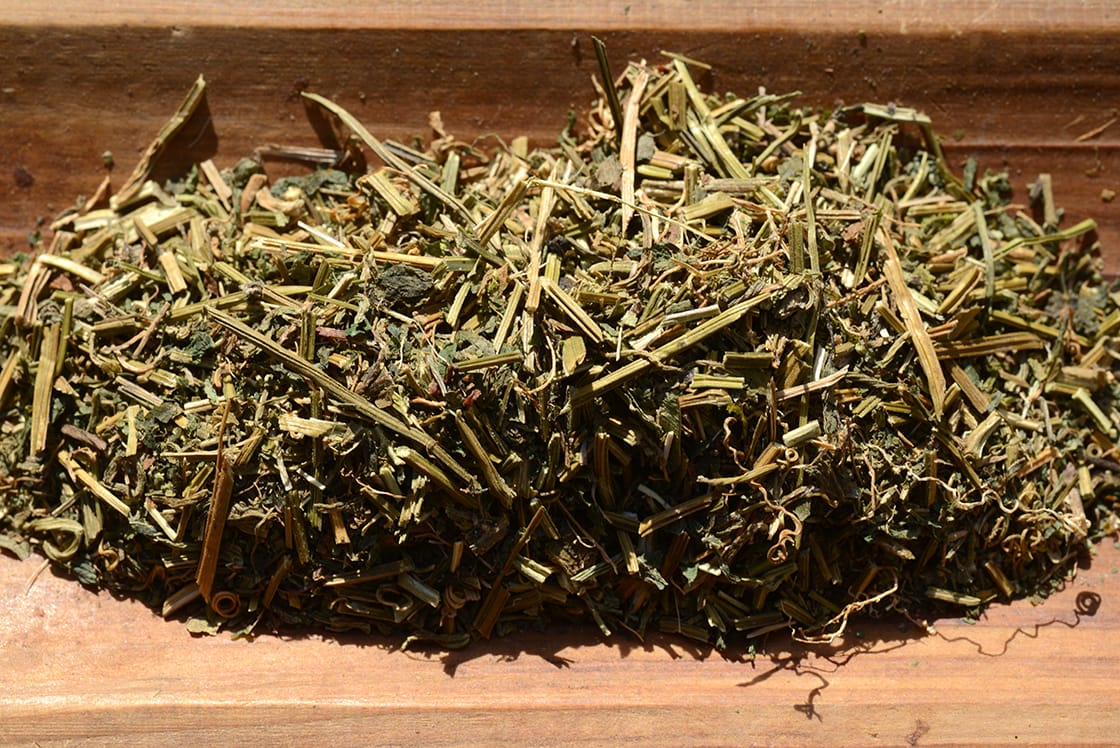
- Manufacture of teabag or loose tea (herbal)
- Nutraceuticals Nutraceuticals and dietary supplement
- Bioactive compound extraction in health-oriented products
Commercial value of gynostemma pentaphyllum
When considering what is gynostemma pentaphyllum in terms of commercial value, it has the greatest known active component of gypenosides in ginseng, and which is extensively researched as potential pharmacologically active agents. Moreover, the plant has flavonoids, polysaccharides, as well as, sterols, which also increases its usefulness to functional food and supplement manufacturers.
These substances have been associated to:
- Antioxidant activity for cellular protection
- Cardiovascular support and lipid regulation
- Blood sugar control and potential benefits for type 2 diabetes management
Due to these characteristics, Jiaogulan has only gained popularity as an ingredient of health teas, supplement capsules, and high-purity extract products that are in high demand among wellness-seeking buyers.
Why source gynostemma pentaphyllum from Vietnam
Ideal natural conditions
It has cool, humid microclimate and shaded forest borders in which the plant Gynostemma pentaphyllum grows most naturally, especially in Northern Vietnam (namely, in the limestone karst highlands of Cao Bang and the nearby provinces). They are not simply its native/long-established habitat; they form the basis of the herb in question, its reputation and traceability to customers in different parts of the world. The provenance is evident in another value-chain study of Cao Bang UNESCO Global Geopark reported in 2025 documenting wild collection and cultivation in these karst valleys.
Competitive pricing
Environmental and altitudinal changes cause gypenosides (the saponins buyers are interested in) variations. The recent advances in cultivation of plants in controlled environments is demonstrated in the use of altitude and microclimate on altering saponin profile in the type of Gynostemma being studied, thus indicating the importance of paying attention to high and low, shade, rain, and humidity when dealing with this plant product. Vietnamese growers located in specific altitude ranges that grow under low shading conditions will be able to meet tighter spec windows with more consistency.
Deep supply base
Vietnam is shifting jiaogulan wild-collected into community-based production and contract farming and supporting companies with traceability and social responsibility. In Cao Bang alone the production is said to be 5-7 tons/year, with a standardized documentation of the value chain (actors, margins, bottlenecks). It has developed parallel projects in Bac Kan (Ba Be National Park) and Hoang Lien that have institutionalized nurseries, good-harvest training, and buyer-grower contracts-it is valuable in long-term volume programs and ESG reporting.
Value chain development potential
This has over-collected wild populations in the past; G. pentaphyllum is declared endangered within the Red Data context in Vietnam. A switch to controlled farming and village policing would reduce that risk, promote local livelihoods, and, in an increasingly dominant corporate procurement scorecard, would change the risk factor. The records of conservation/bio-trade projects (e.g. TRAFFIC, UNCTAD) present real-life channels (e.g. zoned harvest, training, and premium contracts) which are in tune with ESG requirements of buyers.
Trade access and logistics that scale
In the case of shipments to the EU, the EUVietnam FTA (EVFTA) became operational on 1 August 2020 and enhances market access and reduces red tape to compliant agri-food exports. On the ground, Vietnam is also putting a massive investment on maritime and intermodal capacity in the sense that seaports by 2030 should be able to accommodate 1.25 to 1.5 billion tons of cargo each year and sea links (e.g., the Lao Cai to Hanoi to Hai phong corridor to China) are being promoted to facilitate faster inland-port moves. To bulk buyers, this implies increasing routing alternatives, improving schedule dependability and consolidation of value-added processing in or near ports.
Cost-to-value and customization without over-engineering
Since Vietnam has tightly clustered and community-based cultivation, it can supply reliable volumes with competitive farm-gate economics and abridged supply-chain (harvest => primary drying => cut/sift or extraction near source). That reduces handling loss and facilitates lot-to-lot consistency of assays. Customers usually request custom specs (cut size, moisture, ash, gypenoside targets, microbial limits, solvent residuals of extracts) in the same eco system- fewer hand-offs to manage. This level of customization and quality control further explains what is gynostemma pentaphyllum and why Vietnam is a trusted source.
Conclusion
In summary, what is gynostemma pentaphyllum is more than just a herb—it is a high-value, bioactive-rich ingredient with significant potential for the global herbal tea and supplement industry. To conclude, the possibility of procuring Gynostemma pentaphyllum in Vietnam provides B2B customers with a cost-quality capitalisation, bioactive-rich, and high potential herbal ingredient.
When your company is in need of a high-grade functional herb to use in large scale production, get in touch with Greatfoods today to order samples and specific quotations. We assist partners to supply documents to customs, international logistics, and long-term guarantees of supplies.
For inquiries and orders, please contact us at:
- Facebook: Greatfoods
- Youtube: Greatfoodsvn
- Email: [email protected]
We are happy to partner with you in the future!