


When a person hears the word tamarind, people will generally think about the brown fruit that they put in chutneys, sauces, and beverages. However, in addition to the fruit, the leaves of the tamarind tree have been utilised in traditional cooking, and herbal medicine over the ages. The global markets today have increasingly been flooded by the demand to acquire dried tamarind leaves because industries both in food and beverages, pharmaceuticals, and cosmetics among others have realized their potential health properties, taste, and versatility. As a global consumer on the need to obtain sustainable, certified, and exports-ready supply, Vietnam is emerging to be one of the most assuring sources of bulk dried tamarind leaves.
What are dried tamarind leaves?
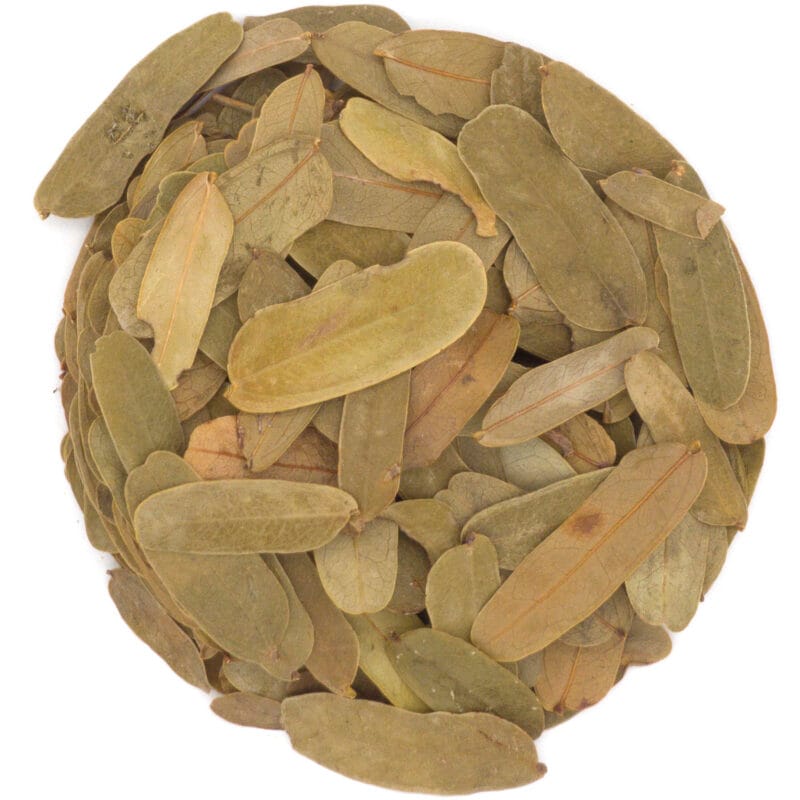
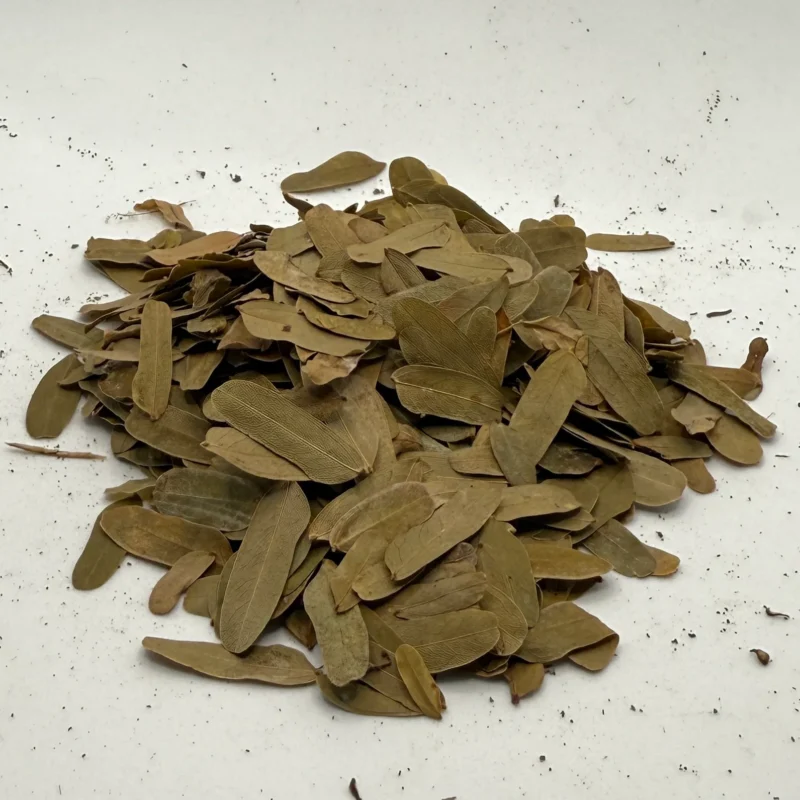
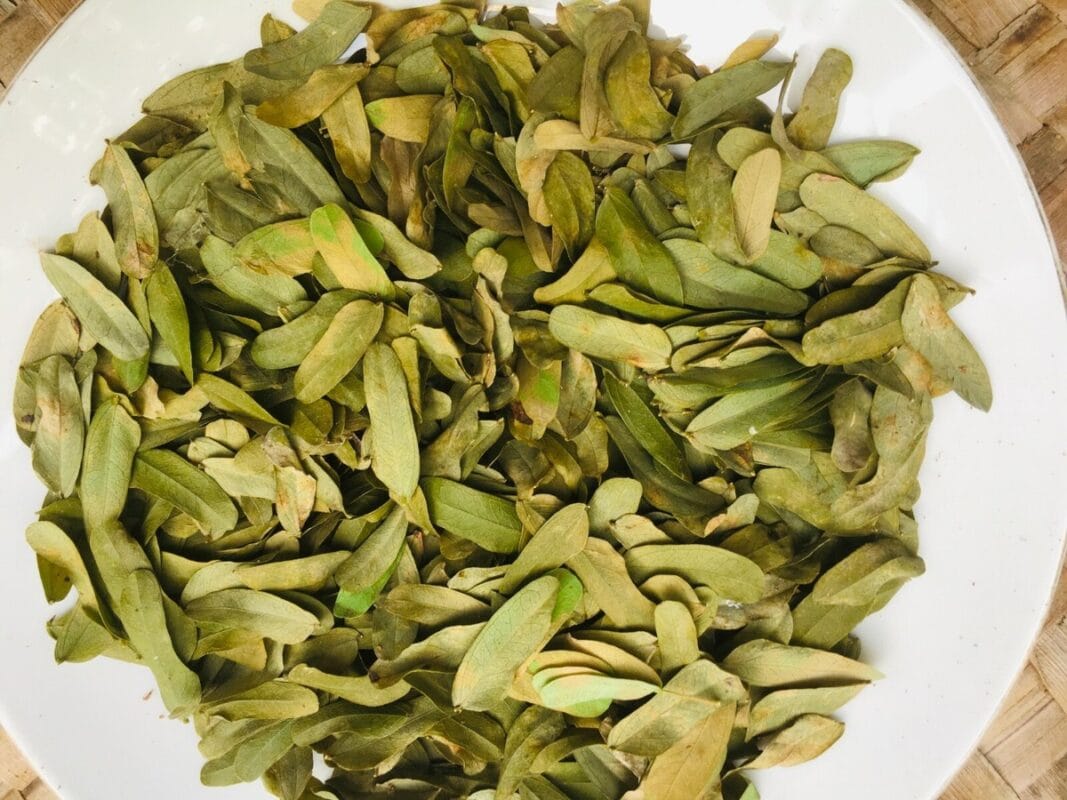
Tamarind (Tamarindus indica) is a tropical tree, which has been grown for many years in Asia and Africa. Although its fruit is the most commercial product it has, there are plethora of uses of its leaves when dried. Dried tamarind leaves are created through carefully harvested young leaves being treated to a process of drying in controlled conditions so as not to destroy the flavour profile or nutritional content of the leaves. At Greatfoods, it is effectively achieved by utilizing the best techniques of cold-drying and IQF, which guarantees the natural aroma, color, and other useful substances being preserved.
The difference between Greatfoods and other companies is that the latter is concerned with quality and safety. Each batch of dried tamarind leaves has been treated according to standards of international certifications such as HACCP, and ISO, HALAL, and GLOBAL GAP. This not only makes the product suitable to be used in the local culinary but also in the export markets in that the product will be highly competitive.

Scientific profile of tamarind leaves
The dried tamarind leaves have value because of their nutritional and phytochemical content. These leaves are dense in flavonoids and polyphenols which are attributed to possess antioxidant effects. They also yield tannins which make them to have antimicrobial and anti-inflammatory properties. They are also rich in minerals including calcium, iron, and potassium that are a necessity of both wellness products and diets.
Contemporary science has started to prove the truth of many of the conventional assertions regarding tamarind leaves. Evidence indicates they have a potential to support liver health, minimize oxidative stress, and support digestion. This synergy of folkloristic knowledge and scientific support has made dried tamarind leaves a promising natural raw material industry where functionality and natural authenticity are required.
Culinary applications of dried tamarind leaves
Flavor enhancer in soups and curries
In most regions in Asia and Africa, tamarind leaves are preferred due to the familiar light and tangy flavor which they endow to the dishes. Dried tamarind leaves are versatile and do not over-season, unlike vinegar or lemon juice, because they have a subtle sourness complemented by an herbaceous under-note. They are typically found in curries, soups and broths as well as in local cuisines that prefer using natural agents to sour foods.
Herbal tea and infusions
Outside of cooking, dried tamarind leaves also have found their way into the herbal tea market. When infused in hot water, the leaves yield a refreshing and soothing infusion with mildly sour flavor that is simultaneously relaxing and refreshing. Tamarind leaf tea is very popular among many consumers because of its potential digestive and detoxifying characteristics which make it an ideal drink in the health and wellness beverages category.
Fermented and specialty foods
In the fermented foods, the dried tamarind leaves are also found to be useful as their inherent acidity favors both fermentation and preservation of the food product. They can serve a gourmet food use where they may provide complexity and uniqueness to a food product, providing natural flavor enhancement ingredients to the food formulae developer-chef.
Herbal and pharmaceutical uses
Traditional medicine roots
Tamarind leaves have a long history of use in traditional medicine systems in India including Ayurveda and folk medicine within Africa. Conventionally, they were made through brewing or pounding to aid ease in passing fevers, stomach pains, as well as, skin rashes. They were also effective antimicrobes, and as such were ideal when used to treat minor conditions and digestive disorders.
Modern research potential
Nowadays, tamarind leaves are receiving more and more attention as the subject of scientific studies due to their medicinal perspective. It has been shown that they can have antimicrobial activity, which aids in combating bacteria and fungi. They are powerful sources of antioxidants and this implies that they have the capacity of fighting oxidative stress which is a factor of aging and chronic illness. It was also found that dried tamarind leaves may be useful in regulating the immune system and therefore widen their usage in nutraceuticals and herbal medicine.
Cosmetic and wellness applications
Due to the change in the consumption pattern of the consumers around the globe towards more natural and plant-based products, tamarind leaves are gaining significance in the cosmetics and personal care product market. They can be used in face masks and scrubs by drying, powdering the peas, and mixing with the other ingredients. Here, their antioxidants will help to revitalize the skin. In shampoos and soaps that are natural, tamarind leaves help to cleanse, as well as add antibacterial action.
In addition to cosmetics, dried tamarind leaves also find application in spa and wellness ranges like detoxifying herbal baths. They have a natural composition, which is in line with the latest trends toward the so-called green beauty and farm-to-skin.
Why source dried tamarind leaves from Vietnam?
Vietnam has the benefits of acting as a source of dried tamarind leaves. The climate and fertile soil is very favorable in the country and this makes tamarind trees to grow all the time to ensure availability of raw materials. Herbal processing skills as well as highly-advanced drying technology including cold-drying and IQF ensure that the finished product is of the highest quality.
The other vital consideration is certification. The suppliers should be certified suppliers, and examples of suppliers with credentials that are internationally recognized are the suppliers in Vietnam such as Greatfoods(r) and they are HACAP, ISO, HALAL, and SEDEX certified suppliers. These certify that pieces of tamarind leaves produced are of the highest quality as demanded by the international markets. Moreover, packaging ready to be exported – heat-sealed and food safe helps to extend shelf life to 18 months and make the product stable during transportation. Vietnam is becoming a favorite supplier, relative to the rest of the suppliers in the region because it not only offers the products at very favorable prices, but also in a way that is sustainable.
Greatfoods – your trusted partner for bulk dried tamarind leaves
Greatfoods has established a track record of quality and dependable supplier of high-quality dried fruits, herbs, and natural ingredients of worldwide markets. Buyers who want bulk dried tamarind leaves do not only have to rely on Greatfoods as a store but also on quality control and openness.
The company is committed towards sustainability and thus embraces eco-friendly sourcing and also working with the local farming communities. All the products come with spec sheets, certifications and export documentation so that the requirements of countries outside the home country are also satisfied. Packed with care using heat sealed techniques Greatfoods® ensures freshness and 18 month shelf life.
To the businesses that deal with food, pharmaceutical or cosmetic industry, working with Greatfoods is the guarantee of consistent and high-quality chain supply. Whether it is samples, technical specifications or bulk orders, Greatfoods® is geared to serve your sourcing needs.
Conclusion
Tamarind leaves, one of the most versatile and underutilized ingredients, have numerous uses in food, in medicine and as a cosmetic or skin-care product. Their increasing popularity is as much an indication of consumer demand for natural products to want and the industry interest in functional raw materials to want. Vietnamese sourcing will also have the benefits of quality, sustainability and reliability.
Greatfoods is the supplier of trusted bulk dried tamarind leaves as it is provided with international certifications and modes of packaging that can be exported with ease to any part of the globe. We are here to provide samples, specifications, or a customized quote to you, to find out how tamarind leaves can help your product line.
For inquiries and orders, please contact us at:
- Facebook: Greatfoods
- Youtube: Greatfoodsvn
- Email: [email protected]
We are happy to partner with you in the future!