


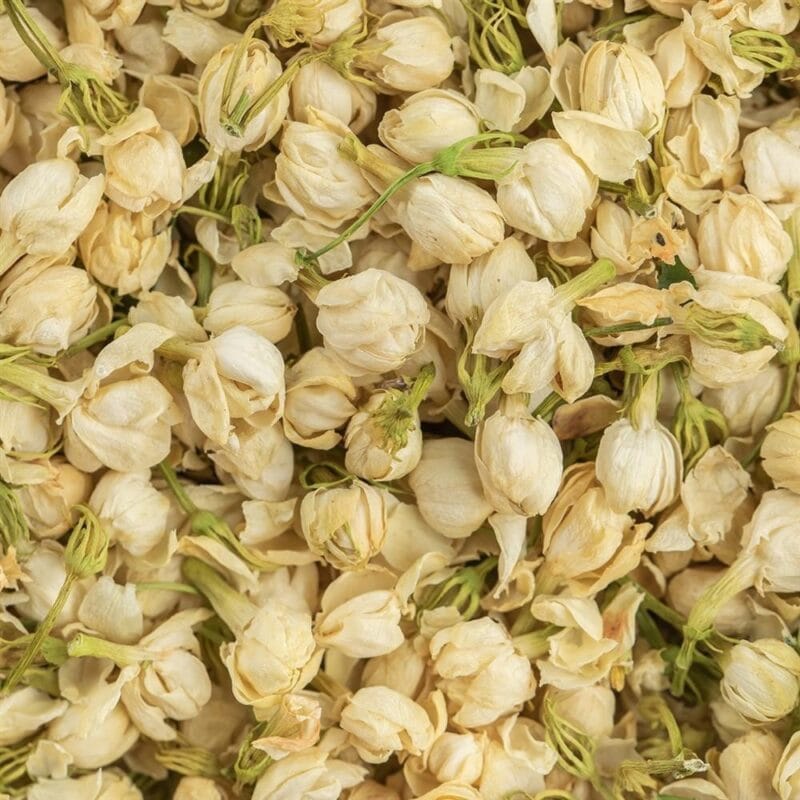
Jasmine is one of the prized flowers of Asia that has a sweet perfume and a certain meaning due to its culture. When the jasmine flowers are dried, they are a versatile agricultural product that trades in the tea industry, dried products, nutraceuticals, and fragrance. One such beneficial product is the dried jasmine, as it has widely become a covetable product of manufacture not only because it is a flower product, but rather it has become a tactical raw material that manufacturers and importers of high value consumer products are soliciting.
Vietnam, in the tropics and the prominent tradition of herbal farming has also become a competitive base of dried jasmine supply. It is imperative to be aware of the origins, processing standards and the market patterns of dried jasmine in case importers fall in need of bulk orders with consistent quality.
Origins and processing of dried jasmine
Jasmine varieties in trade
There are two species of jasmine that prevail in trade around the world:
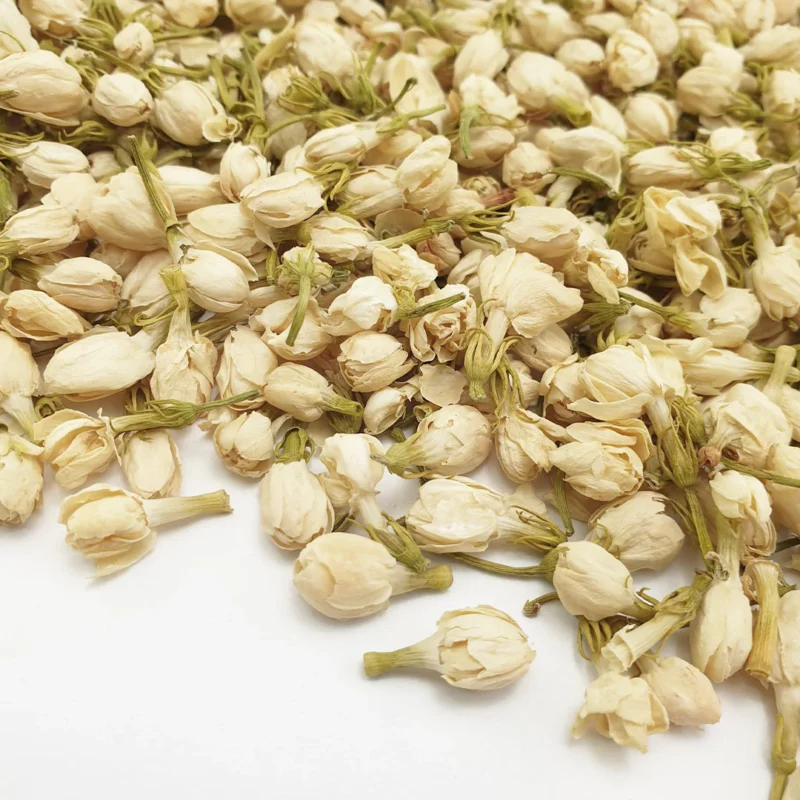
- Jasminum sambac – rest of the jasmine, grown in Vietnam, China and India and known for a strong fragrance, and used in jasmine tea.
- Jasminum officinale – indigenous to Europe and applied in some tea, blend and perfumery.
Although both plants are useful, Jasminum sambac is more commercialized than the other because of its use in the manufacture of tea and herbal teas.
Cultivation regions in Vietnam
Major growing areas of Vietnamese jasmine include areas like the red river delta and the Central Highlands where there is abundant amount of sunlight all year round and warm temperatures, which allow them to flower continuously. As opposed to seasonal crops, jasmine flowers harvesting can occur quite often throughout the year, with exporters having a stable supply chain. Farmers also work according to the contract farming systems, with associations taking charge of raw products and distributing them to factories.
Harvesting and processing methods
- Harvesting: Fresh flowers are harvested at dawn so that flowers remain colored when buds are still closed.
- Sorting: Buds are graded according to size and to purity; impurities, stems or leaves, are eliminated.
Drying methods:
- Traditional heat drying: would be cheaper offered in bulk trade.
- Air-drying: less fast, gives even color.
- Freeze-drying: high quality technique, maintains form and phytochemical composition favored in nutraceutical and cosmetic products.
The same action not only establishes the quality in terms of appearance but also in accordance with the microbial and safety requirements of the importers in the European and North American markets.
Industrial applications of dried jasmine
Tea and herbal beverages
The market of herbal teas is expected to have a growth of 79 CAGR by the years 2030 (Grand View Research). Dried Jasmine is marketed as a premium quality ingredient in caffeine-free infusions and functional teas that make the product accessible to a health-conscious consumer.
As the main ingredient in jasmine tea mixtures, dried jasmine flowers also provide visual attractiveness and smooth perfume. Dried flowers will not have most of their aroma, but they will still be a high-quality part of caffeine-free herbal teas and wellness blends. The dried jasmine is commonly tested with green or white leaves of tea scented by fresh outflow chrysanthemums therefore making a very good end result that meets the hygienic needs of consumers.
Nutraceuticals and functional foods
The nutraceutical market is growing globally due to high nutraceutical demand that includes the processing of dried jasmine into herbal supplements, detox teas, and dietary mixes in form of powders and extracts. Jasmine has its reputation as a mild antioxidant making it a component of holistic health care products targeting a group of individuals that consume health products with natural components.
Cosmetics and personal care
Changes are happening quickly in the U.S. and EU clean beauty industry with brands working to ensure the replacement of synthetics with botanical and plant-based fragrances. Jasmine hydrosols, and dried blossoms are making inroads on skincare and aromatherapy products.
Dried jasmine would make an excellent raw material to the cosmetics industry. It is also distilled into toners as hydrosols and added to soaps and shampoos as well as skincare formulations using natural ingredients. Due to the increasing need of environmental concern, the botanical ingredients such as the dried jasmine are gaining demand as the clean beauty trend takes off.
Crafts, aromatherapy, and fragrance
Food and cosmetics aside, jasmine is a well-known ingredient in aromatherapy as well as home fragrance; dried. It is put in potpourri, scented sachets, hand made candles. Jasmine, in the markets of Europe in particular, is appreciated as a sign of purity and extravagance in the artisanal products.
Why importers choose Vietnam for dried jasmine
Vietnam has a competitive advantage to the large suppliers such as China and India. The cheaper cost of labor and efficient agricultural production yields competitive prices in FOB terms achieved within a 1015 percent price range in comparison with other sourcing destinations.
Jasmine flowers can be found during the course of a year due to favourable tropical conditions. This will allow the exporters to ensure that the amount supplied is repeated each time hence cutting on the seasonal nature of the buyers sourcing in other regions.
Vietnamese exporters have experience of success in agricultural export that fulfills the high demands of the EU and the US markets. Exporters normally supply all the documentation, such as: Certificate of Origin (CO), Phytosanitary Certificate, HACCP and ISO certificates.
Conclusion
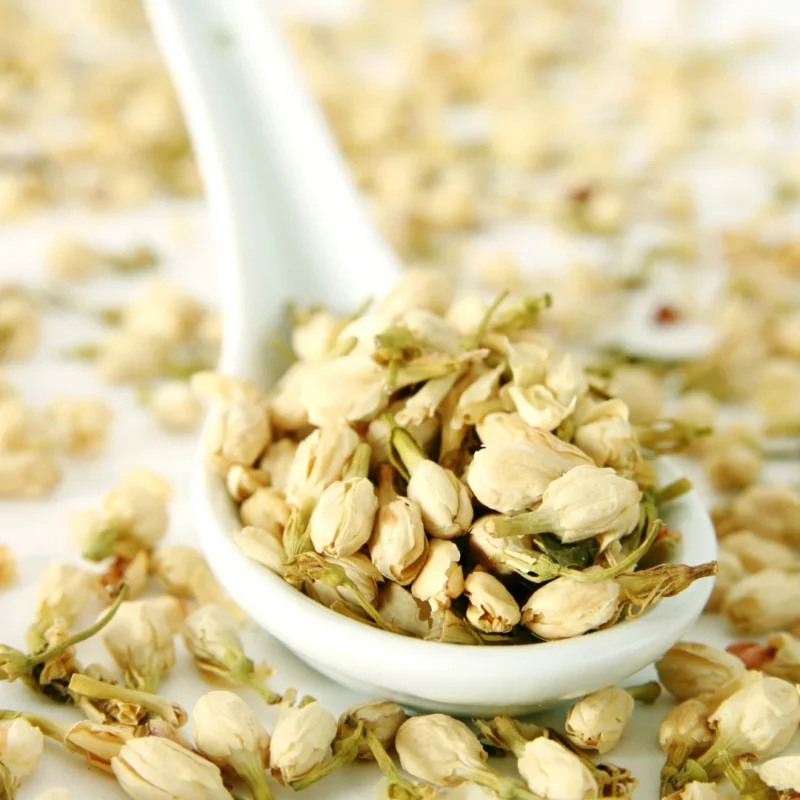
Dried jasmine is an agricultural product that is more than a floral ingredient, it has high valued applications across the tea food industry to nutraceuticals and cosmetics and fragrance. There is an increased demand of global markets based on consumer interest in natural, caffeine free and organic products.
In this regard, Vietnam offers the desired blend of quality, price and export knowledge in the eyes of the importers in search of a reliable supply partner.
Get in touch with Greatfoods today to talk about your sourcing requirements and to lock down dependable shipments direct off Vietnam.
For inquiries and orders, please contact us at:
- Facebook: Greatfoods
- Youtube: Greatfoodsvn
- Email: [email protected]
We are happy to partner with you in the future!