


As the world marketplace for herbal infusions has become highly competitive, corn silk, a long thread like structure created by the female flower of the corn plant, has been developed as a valuable component to a functional tea blend. Dried corn silk is widely regarded as a diuretic, an anti-inflammatory and a kidney supporting agent among other benefits, and it is no longer considered a by-product of corn farming as it is today a very good source of raw material in the herbal tea industry. One of the countries that import this ingredient is Vietnam which the tea manufacturers prefer to use all over the U.S., Europe, and Asia.
This paper discusses the reasons why the dried corn silk of Vietnam has become popular with herbal tea manufacturers, with emphasis on the fact that the nation features some inherent strengths in terms of both production facilities and processing methods, and the quality of the product.
The rising demand for dried corn silk in herbal tea blends
The popularity of herbal teas around the world is due to their perceived health challenges and consumers are now being attracted to blends that promote a particular body activity like detoxification, good kidney health and natural diuresis. Corn silk is a natural remedy that has been used in most cultures fulfilling this requirement perfectly.
As a 2022 report by the Cleveland Clinic shows, corn silk tea can be used to minimize inflammation, promote the health of kidneys and relieve irritations of the urinary tract, which has prompted manufacturers of premium health teas to incorporate it into their blending. In natural remedy consuming countries such as the U.S and Germany, more people are willing to use corn silk-based teas both in retail and nutraceutical markets.
Such increasing demands are seen in product development pipelines of the tea companies dealing with functional blends. Such manufacturers continuously seek reputable suppliers that have the capacity to provide dried corn silk in bulk quantity, at an equal level of quality, and with food grade handling precautions.

Why herbal tea brands care about the source of corn silk
When tea companies purchase ingredients, they do not simply want the most viable. The uniformity in appearance, smell, taste, and microbial hygiene i.e. the sensory appearance of the final product has a direct impact on the consumer appeal and its regulatory authorization.
In the case of dried corn silk, some of the important quality aspects are:
- Color: Bright golden-brown color or light straw color are favorites. Slack, greyed silk can represent an indication of over-drying or an oxidation.
- Aroma: It should have a slight sweet corn fragrance that is fresh and light. To extinguish, a smoky or musty smell will destroy tongue-pleasing tea blends.
- Cleanliness: There should be no fragments of husk, dust and fungal spots in the silk.
- Dryness: The dryness should be less than 10% to prevent the development of molds and keep it on the shelf.
Corn silk is also required by buyers, especially buyers of tea bags or wellness formulation producers, who require their corn silks to process well when they are blending them, and not to overpower and overshadow other botanical ingredients within the mix.
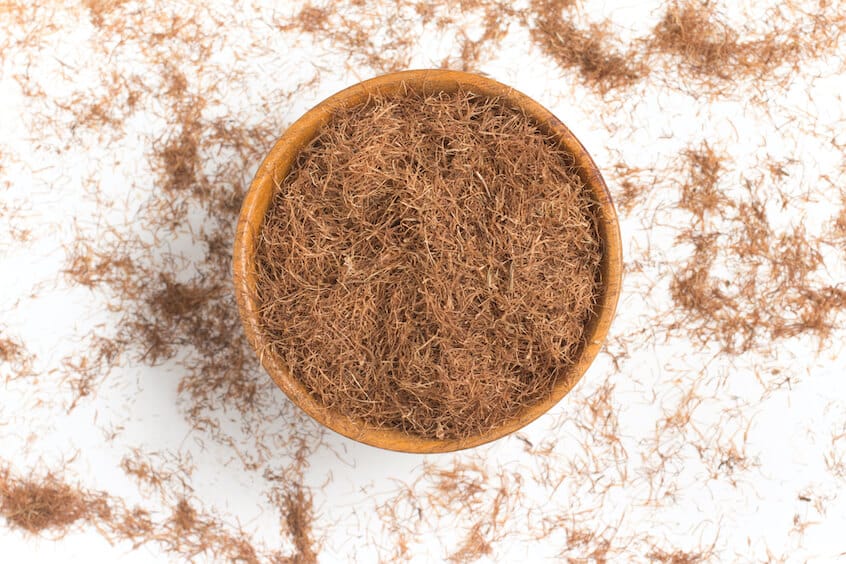
With such quality sensitivities in mind, one of the major decisions that have to be made is the source of the corn silk. Vietnamese exporters, whose specialty deals in exportation of herbs and spices, have developed an advantage, thanks to their ability to improve the post harvesting process, and appearance, smell and dryness factors, which is what global tea sellers require.
Vietnam’s agricultural advantage in dried corn silk production
Vietnam is currently one of the biggest producers of corn in Southeast Asia and this is cultivated widely in the Central Highlands, the Red River Delta and the Mekong Delta. Its massive cultivation means fresh corn silk is readily available, frequently as a byproduct of the baby corn and sweet corn products that make its way to the domestic and overseas markets.
The strength is that in Vietnam:
- Corn can be cultivated throughout the year and thus it can take several harvests and provides a stable supply chain.
- Corn is usually manually harvested by farmers, so it is easy to pick up corn silks in their good condition.
- There are numerous cooperatives and processors that specialize in harvesting silk within 24 to 48 hours of the corn harvest to maintain freshness so that it may be dried.
Additionally, the awareness of the locals about the herbal products based on the traditional medicine as well as the contemporary agriculture enables the Vietnamese suppliers to think over the corn silk in other light than an agricultural waste. They denote its efficacy in wellness industries, and adapt their processing and keeping techniques to suit them.
This is an agricultural and cultural match that makes Vietnam stand out in the group of producers as some may consider corn silk as garbage or feed animal life.

Controlled drying for better color, aroma, and nutrient retention
The drying technique applied is one of the most important in production of dried corn silk since it determines the bioactive retention levels and sensory characteristics.
Vietnamese processors use traditional experience coupled with new food technology to not spoil products. The typical things that people do are:
- Air-drying under shade: This is a very old method which helps silk not to be exposed to sunlight whereby the color of the silk will fade and many nutrients will be lost.
- Solar-aided drying: This manner is applied in greenhouses and other shades, and the drying process here is assisted by solar power.
- Low-temperature dehydrators: Some suppliers invest in electric drying systems that do not exceed 45-50oC to maintain polyphenols and flavonoids as these are easily destroyed by heat.
Researchers documented that failure to dry properly may result in the loss of important antioxidants and phenolic compounds (one of the studies published in Plants (Basel) in 2021). Controlled drying preserves greater amounts of maysin, a flavonoid thought to be among the ingredients that give corn silk its health properties.
Due to this, Vietnamese dried corn silks are known to be praised with:
- Golden-brown color is uniform
- Mild sweet fine aroma
- Minimal moisture level
- High bioactivity content
It has all these qualities and that makes it an ideal choice by tea companies that need both functionality and aesthetics in their compositions.
Conclusion
To the manufacturers of herbal tea who aim to provide their product line with natural functional ingredients, Vietnamese dried corn silk can be regarded as the attractive option. It has the consistency of availability, processing with caution, good looks and a maturing export ecosystem, everything required to establish a high-quality and consistent line of products.
Are you a brand that sells private-label herbal tea, or a nutraceutical firm that wants to find some sources of botanical ingredients to trust? Vietnam is willing to come to your rescue with quality that you can depend on.
Greatfoods is a company which deals with the sourcing and exports of quality Vietnamese agricultural commodities, e.g. well-processed corn silk in bulk.
For inquiries and orders, please contact us at:
- Facebook: Greatfoods
- Youtube: Greatfoodsvn
- Email: [email protected]
We are happy to partner with you in the future!