


Today’s consumers show increasing awareness about nutrition as they make buying decisions at stores. The rise in popularity of IQF frozen vegetables surpasses the confusion many experience between fresh and frozen products.
The IQF vegetable market shows a projected $7.1 billion revenue for 2030 alongside a 4.2% annual growth trajectory.
The value of IQF frozen vegetables in food manufacturing operations stems from what essential qualities? What methods create these frozen foods, and do they still deliver healthy nutritional values? For what vegetables is IQF freezing the recommended preservation method? We’ll answer these questions below.
What are IQF frozen vegetables?
IQF means ‘individually quick frozen’. During the IQF process, rapid freezing takes place at extremely low temperatures, thus stopping ice crystals from forming and allowing vegetables to stay free-flowing and maintain their shape while preserving taste quality and color after defrosting. The way IQF veggies freeze individual units without impairing appearance makes them perfect for food items like ready meals and pizzas, and soups.
IQF frozen vegetables represent fresh frozen vegetables which get frozen individually.
The freezing process proves both time-efficient and preserves the freshness, combined with the quality of the end products. Commercial freezer methods help vegetables stay firm while preserving original colors and taste elements better than traditional freezing procedures do.
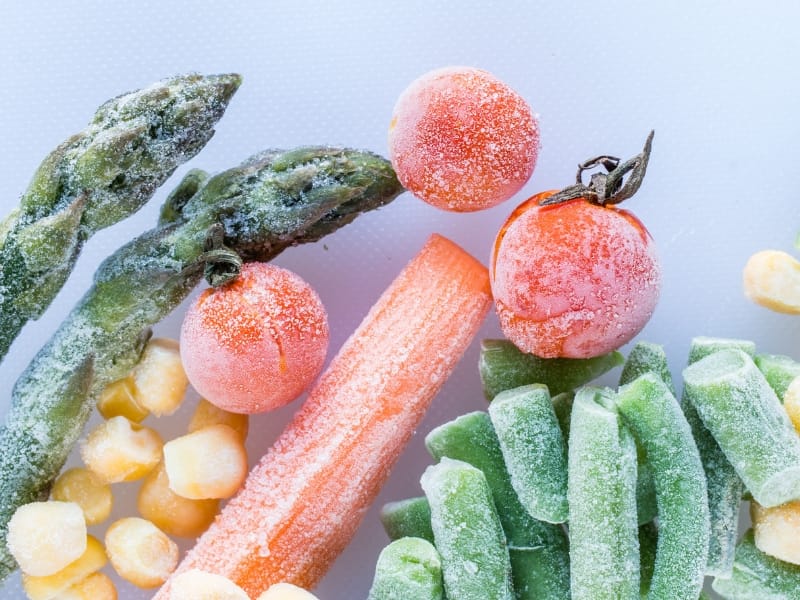
The freezing process of individual pieces of IQF frozen vegetables maintains superior nutritional content compared to ordinary frozen vegetables. Individual Quick Freezing vegetables present an excellent choice between frozen convenience and robust flavor preservation.
Freezing methods retain all vitamins and minerals of IQF frozen vegetables, which makes them excellent natural enrichers of nutrition in your meals.
What is the IQF process?
The IQf freezing process operates using two distinct freezing methods, consisting of mechanical freezers and cryogenic freezers. The two main IQF technologies include mechanical IQF freezers and cryogenic IQF freezers.
The IQF mechanical freezer operates through a freezing system that pulls cold air from beneath the bedplate or transportation belt. Fans move cold air throughout the product by applying force vertically. The blast chiller freezes vegetables during their movement through it.
As frozen products traverse the freezer toward the exit end the colder air produces circular movements that pass through each item.
The technology has evolved through time so manufacturers can freeze items both swiftly and minimize damage during the process.
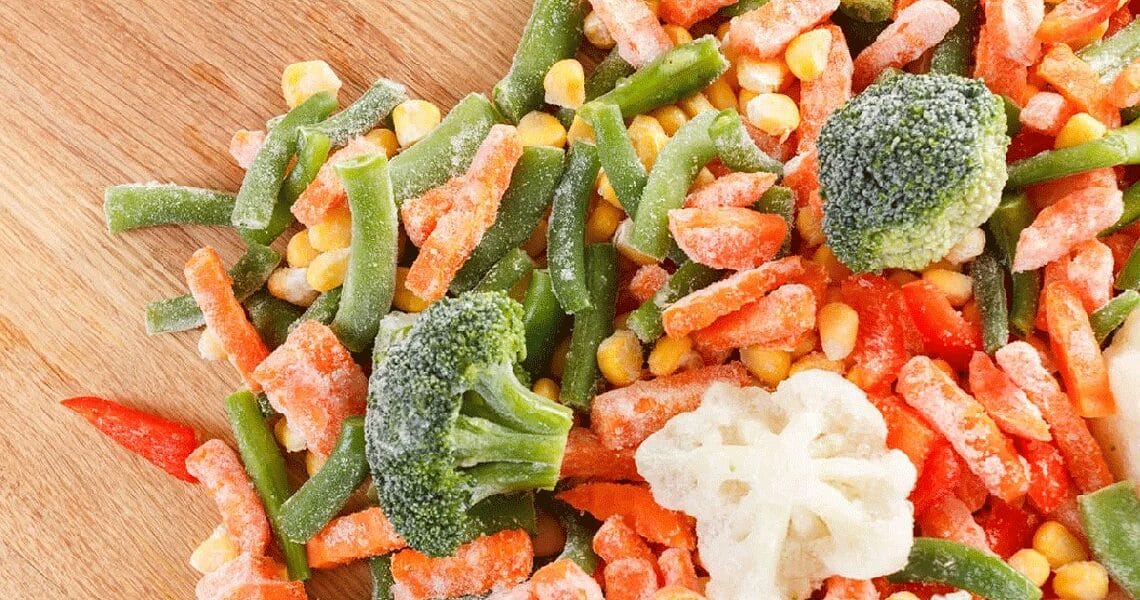
Liquid nitrogen spray from a cryogenic IQF freezer freezes vegetables instantly. During low temperature operation, products stay separated from one another while being continuously moved in an Immersion process with liquid nitrogen.
IQF fast processing exists, but nitrogen application bears cost consequences for operations.
What are the benefits of IQF?
IQF products provide multiple advantages to consumers. Through individual quick freezing, food retains superior standards of quality and freshness. Owing to the individual flash freezing method, food retains its separate state instead of becoming a massive frozen block.
Freezing the food at high speed produces tiny ice crystals instead of larger ones. Fast individual freezing techniques maintain food quality by preserving both taste and texture. Slower freezer operation produces large ice crystals that harm food product cell walls, thus negatively impacting their taste and texture attributes.
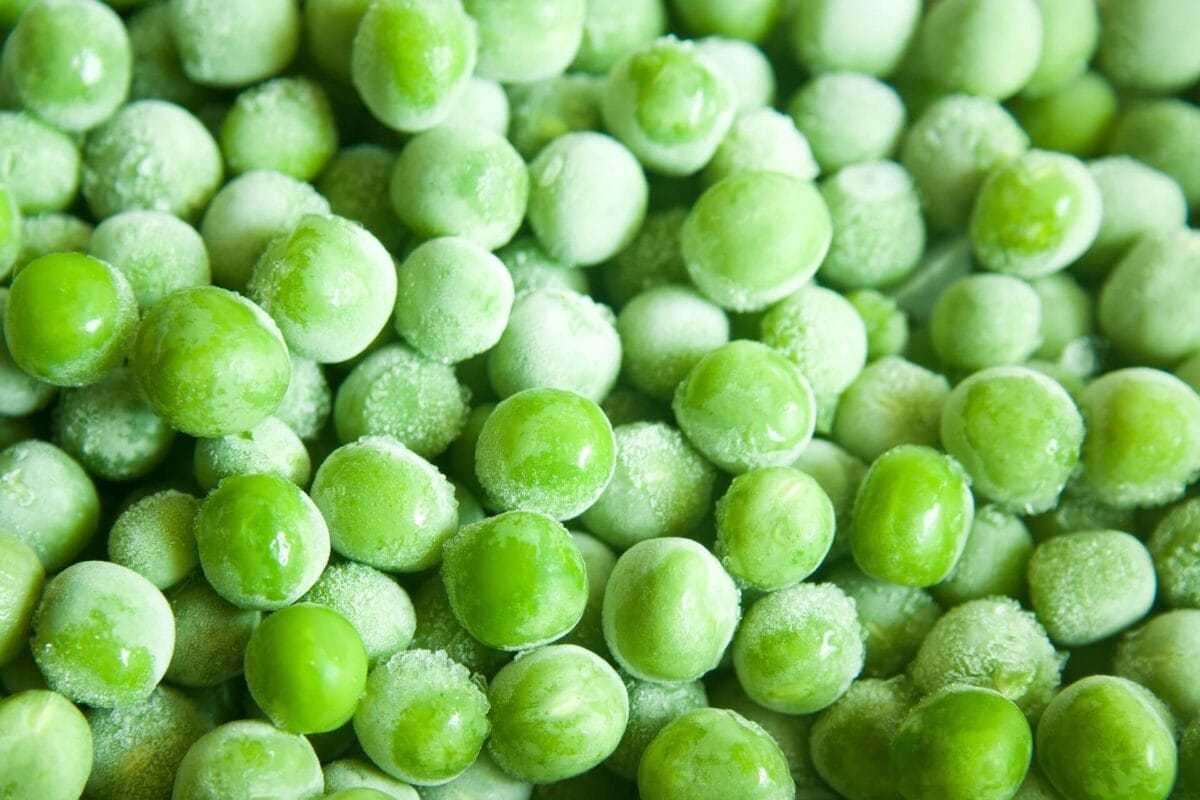
Thanks to year-round availability, IQF foods provide a budget-friendly way to access fresh, healthy food options whenever consumers need them.
IQF frozen vegetables provide a smart alternative for people who want frozen foods without giving up sensory characteristics or maintaining quality standards.
FAQs about IQF frozen vegetables
What foods can be individually quick frozen?
Food of diverse kinds can become suitable for freezing in individual portions. Frozen strawberries and blueberries work well for IQF alongside classic frozen peas, as well as frozen peppers and different vegetables, in addition to fish and various meats, and herbs.
The Individual Quick Freezing process produces IQF fruit and vegetables in various shapes, such as diced, sliced, and whole configurations.
Are IQF frozen vegetables fresh?
IQF technology freezes vegetables in their fresh state to achieve this benefit.
The freezing process of IQF foods begins immediately after each piece, along with their freshness preservation. The fast freezing process preserves food quality by avoiding damage and safeguarding both flavor and texture, and nutrients.
Again, this approach shields food items from acquiring ice crystallization, which impacts product taste and texture through cell wall destruction. Ice crystals merge the taste and texture qualities of food into one solid block due to their freezing mechanism.
Studies indicate that fast freezing vegetables directly post-harvest causes them to preserve more nutritional content than fresh, unprocessed vegetables do.
Freezing vegetables right after harvest and when they reach their prime state represents a crucial step to preserve their nutritional content. Our production team joins forces with top producers globally to make certain our IQF frozen vegetables maintain their vitamins and minerals while delivering the full range of their flavors.
What is the shelf life of IQF food?
The shelf life of an IQF food will also depend on the type of food that is being frozen. However, as a general rule, an IQF vegetable can be kept fresh in the freezer for up to 12 months.
Do IQF frozen vegetables retain their nutritional value?
It is a myth that frozen vegetables are not as healthy as fresh vegetables. Nevertheless, IQF frozen vegetables have been found to preserve the majority of their nutritional content. It has been found through studies that frozen fruit and vegetable products exhibited minimal change in nutrient composition, particularly when storage temperature was well controlled
Some other research has also shown no difference in the vitamin content of fresh, frozen, and fresh-stored batches of vegetables and fruits. Where these differences were significant, frozen products were more often nutritionally better than fresh-stored ones.
As IQF frozen vegetables are generally picked at their peak ripeness, then flash-frozen within a matter of hours, it is possible that they retain maximum nutrient value. Maximum freshness is preserved by this process without depletion of nutritional value.
Greatfoods – Your ideal IQF frozen vegetables manufacturer in Vietnam
Greatfoods has the optimum equipment available for processing to deliver the best end product, along with energy-saving processing, food safety, and increased yield to the processor.
Greatfoods is a major IQF vegetable exporter in Vietnam. Having many years of operating in the field, we excel at supplying our customers with fresh, high-quality IQF frozen vegetables. Our IQF frozen vegetables include bitter melon, broccoli, carrot, green beans, green soybean, lotus root, lotus seeds, okra, onion, pumpkin, purple yam, sweet corn, sweet potato, taro, and young jackfruit.
Our supply chain is traceable, so you can rest assured that you are receiving the best quality product.
We realize the need to bring healthy, fresh vegetables to our consumers, and our IQF frozen vegetables are just that. We feature speedy, efficient service with flexible packaging and prompt delivery on every order.
If you would like to learn more about our IQF frozen vegetables or ask for a quote, you are welcome to contact us. We will be pleased to assist you. If your business or household needs IQF food, do not hesitate to contact Greatfoods at:
- Facebook: Greatfoods
- Youtube: Greatfoodsvn
- Email: [email protected]
We are happy to partner with you in the future!