


Ginger is a highly needed spice and a medicinal root used by most people across the world and its uses cut across food, health, and wellness sectors. Ginger has a warm, spicy taste and some anti-inflammatory effects, which makes it increasingly popular all over the world. Ginger powder falls under some of its most commercially viable formats as it has been observed to be very shelf stable, transport friendly, and best suited to help in large scale production settings.
This is a professional step-by-step guide into how to make ginger powder, particularly in Vietnam and this informs quality standards, internationally accepted and an insight into the best practices when it comes to export of the product by B2B buyers.
Why ginger powder is ideal for wholesalers
To foreign consumers of food, pharmaceutical, beverage, and cosmetics products, ginger powder will be an impressively convenient avatar of the ubiquitous root. Ginger powder is unlike fresh ginger, which is perishable and bulky since it provides a stable but lightweight alternative that is more convenient to store, transport, and incorporate into the industrial production line. Its low moisture charging makes its shelf life longer and minimises wastage and increases the microbial hazard risks that are paramount considerations to the importers and major manufacturers.
In addition, ginger powder is very compatible with computerized systems. It can be dosed accurately, can be blended with other ingredients uniformly and can be incorporated uninterrupted in continuous production. This is why it is uniquely designed to benefit the B2B industry needing quality, scalability, ease of formulation of seasoning blends, functional beverages, herbal supplements or topical delivery applications to be the consistent customers.
On regulatory or compliance terms, ginger powder may be processed and licensed against codes of the world renown like HACCP, ISO 22000, USDA Organic, and EU Organic. These certifications are needed to distribute globally and form the trust with the end consumers in the high barrier markets.
Lastly ginger powder maintains the powerful, fragrant character of the fresh root, providing powerful taste and health values and avoiding the transportation issues of having fresh produce. The increasing popularity in the wellness and organic as well as plant-based sections and natural goods have further established it as an ingredient or a strategic source in the global B2B market.
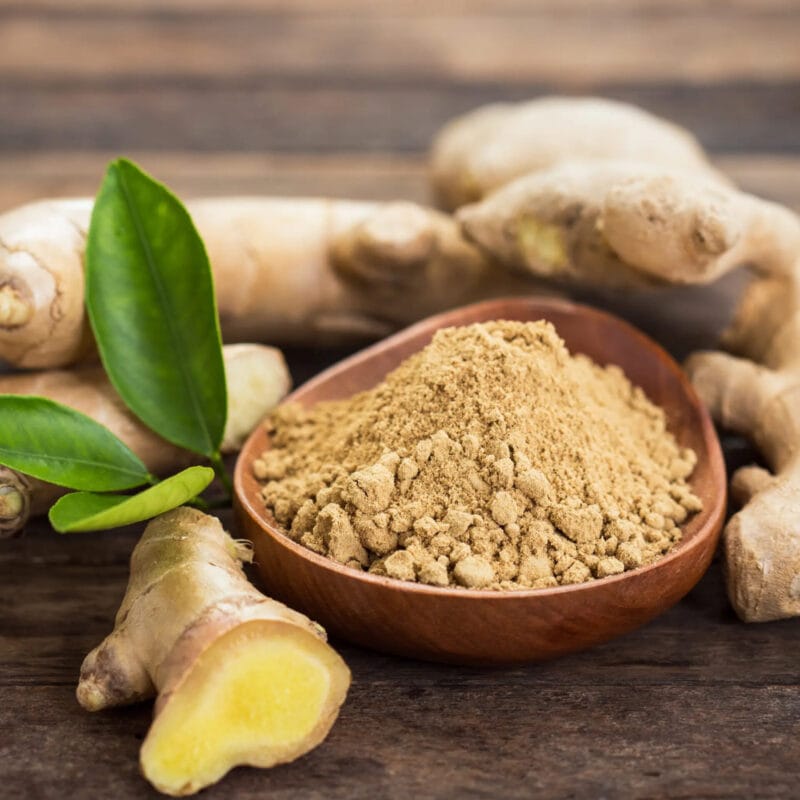
How to make ginger powder
Obtaining fresh ginger
The quality of raw material defines the value of final products. The ginger roots are harvested in 8-10 months of planting to obtain the highest concentration of oil and flavor. Industrial grade sourcing includes harvesting of mature, firm and disease-free rhizomes to industrial grade standards grown under Good Agricultural Practices (GAP) where and when possible.
Cleaning and descorting
Fresh ginger is cleaned by washing it to eliminate the filth, bacterial load, and insecticides. The flesh is peeled with mechanical equipment or focused instruments so as to eliminate only the surfaces of the fruit- where little scent exists- and leaving the inner layers- of important oil.
Slicing
The ginger is cut into long thin uniform pieces (about 24mm thick). Because of thin slicing, goods are evenly dried and dry more quickly, growth of microbes or discoloration does not occur during the process of drying.
Drying
Two industrial methods, common:
- Sun drying: It is cheap, but it is subject to weather conditions and contamination.
- Mechanical drying: Glycerite control drying in hot-air or heat-pump dryers at 50-80 C to the optimum level of moisture content; that is, 7-12%, which allows shelf stability.
According to the studies on convective drying, the drying could be done in 24 hours and lead to reduced moisture level to less than 9% and thus be used in long-term storage and exportation.
Grinding & Sieving
After drying properly in a dryer, ginger slices are ground by the help of industrial grinders. The powder that is obtained is sieved to yield even mesh sizes (usually 80200 mesh) according to the specification of buyers. This guarantees a smooth flow and texture to final industries.
Packaging and Storage
Ginger powder that is completed is packed in moisture proof multilayered packages or vacuum packed. Preservation of color, aroma, and microbial safety is best at 15 o C or below.
Why choose Vietnamese exporters
Vietnam has recently become a ginger powder strategic sourcing location with an advantaged natural climate and strong agricultural base. The tropical climate of the country as well as rich soils offer a perfect environment for the growth of ginger all year round that makes the country have a steady and plentiful supply. This farming advantage will equate to guaranteed supply by importers who are looking to have long term stability in their supply chain.
Other than abundance of raw materials, the cost of production in Vietnam is competitive to enable the exporters to sell their premium-quality ginger powder at very cheap prices. It uses labor, land and efficient operations to provide value without corroding on quality- providing existent margins and flexibility in pricing to international buyers in their own countries.
Another distinctive feature of Vietnamese suppliers is the investment in the modern processing technologies and scalable operations. Most of the main exporters have automated lines, which incorporate washing, slicing, drying, grinding, along with hygienic packaging, within the ISO and HACCP systems. The manufacturers also offer private labeling services, special custom mesh size, OEM/ODM demanded by the industry.
The fact that Vietnam is a member of a great number of free trade agreements (EVFTA, CPTPP, ASEAN FTAs) is an additional bonus. Such agreements usually lower or remove the tariffs of imports, ease custom operations and improve cross trading mirrors- therefore ensuring cheaper Vietnamese ginger powder to international purchasers.

Conclusion
Ginger powder is an export product that has a high demand and high margins and is widely used in industries. It needs high levels of hygiene, dehydration control, quality production, and international food safety regulations upon its production especially when consumed professionally.
The Vietnamese producers are already in the process of automated, certified, and scalable production of ginger powder, which means that they are considered to be the best partners offered to global B2B importers.
Take this guide on how to make ginger powder as a beginning of your steps towards establishing a stable supply chain of high-quality ginger powder sourcing the product right at the heart of Southeast Asia and bringing it to your manufacturing facility.
Greatfoods is one of the popular Vietnamese exporters of high-quality agricultural products, such as ginger powder, which focuses much on quality, transparency, and international standards. We are ISO, HACCP and Organic certified facilities with clients in the Asian, European, and North American markets.
What you can find in our website: product catalog, our certifications, export services and real stories of our foreign partners about their success.
For inquiries and orders, please contact us at:
- Facebook: Greatfoods
- Youtube: Greatfoodsvn
- Email: [email protected]
We are happy to partner with you in the future!