


The visit to the market, to purchase fresh vegetables, is a mandatory step in adopting a healthy diet rich in nutrients that your body needs. Sometimes, though, you are left wondering, when faced with boxes of produce in front of you, how to select the freshest vegetables. In this elaborate guide, we’ll show you the most critical tips and steps for how to choose fresh vegetables.
The importance of choosing fresh vegetables
The consumption of fresh vegetables will ensure the consumption of fundamental nutrients required to increase the general well-being. Fresh produce contains vitamins, minerals, and antioxidants that provide the body with protection from diseases. By purchasing fresh vegetables at the market, people not only receive natural taste and divine flavors, but they also protect themselves from chronic diseases like diabetes and heart conditions. Thus, the knowledge of how to select fresh vegetables properly is critical in terms of quality and benefits.
Don’t waste your time searching! Go to the Greatfood website today and order the best fresh fruits and vegetables delivered to your door.
How to choose fresh vegetables
Appearance
Seek bright colours. Fresh vegetables should be bright in colour. It means that they have been plucked at their ripe stage and are hence full of flavor and nutrients. For example, tomatoes should be reddish brown, carrots should be orange, and leafy vegetables should be green.
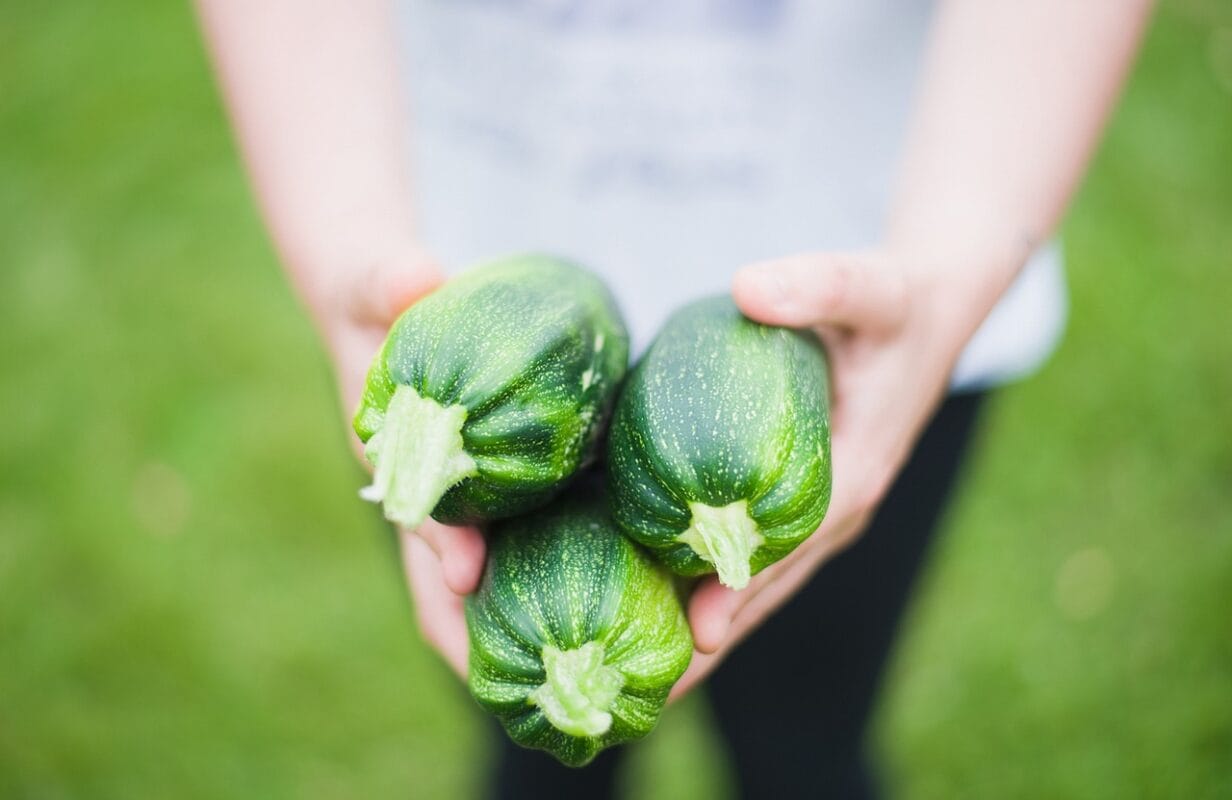
Avoid the bruised, blemished, or discoloured areas. When choosing from produce, avoid pieces with bruises, blemishes, or discoloration. Such imperfections could be indications of over-ripeness or inferior handling, or the start of spoilage. Examine all sides of the vegetable to make sure that it has no damage.
Texture
Sense for firmness (depending on the kind of produce). A good way of determining whether produce is fresh or not is by feeling its texture. Overall, vegetables would usually be firm.
When learning how to choose fresh vegetables, avoid overly soft or mushy spots. Vegetables that are too soft or have mushy spots are usually overripe or starting to go bad. These regions can point to internal damage or rot, which may influence the taste and quality. Touch the produce lightly to test its texture without bruising.
Smell
Fresh vegetables must be aromatic. A ripe, fresh smell is a good indication that vegetables are ready to eat. For instance, melons, when ripe, must have a sweet smell, and fresh herbs such as basil must have a strong, fresh smell.
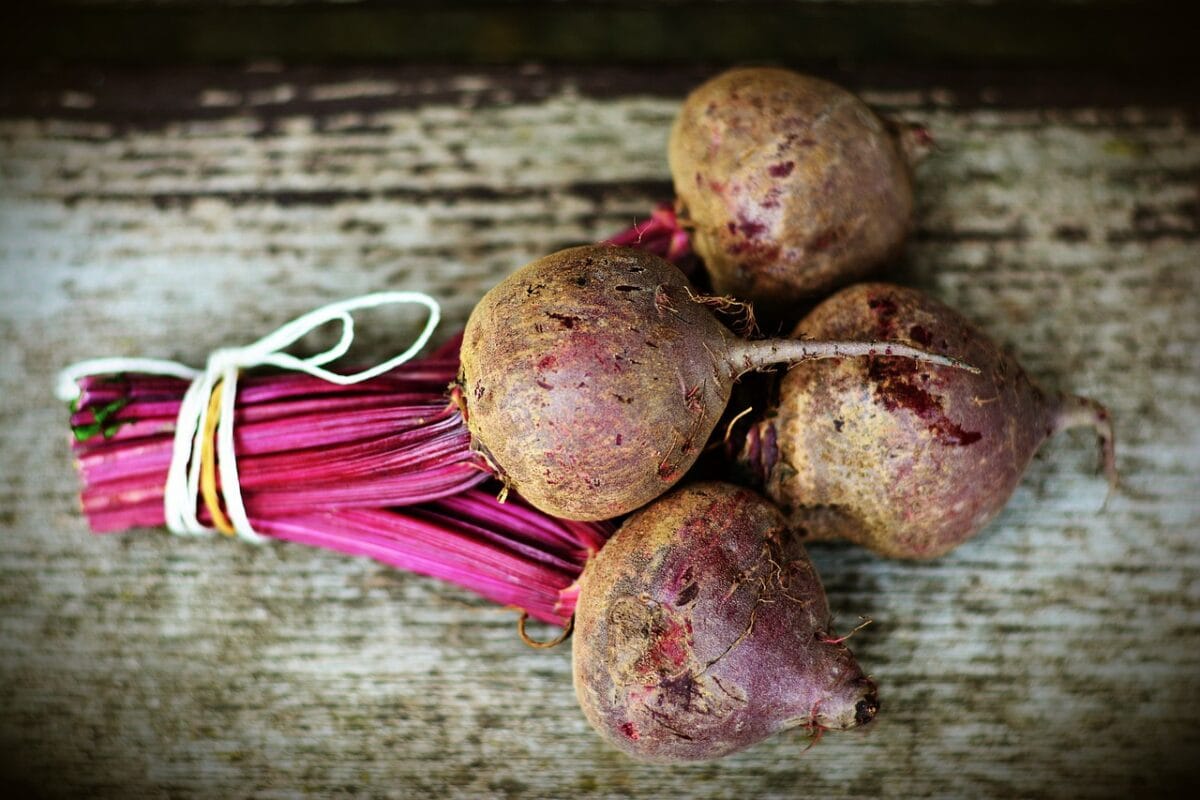
Steer clear of sour or musty odors. When vegetables have sour or musty odors, they are probably overripe and starting to rot. Sour or musty odors may signal fermentation or mould, which impacts the flavor and safety of the produce. Your sensitive nose is your best guide, so steer clear of anything that does not smell fresh.
Seasonality
When finding how to choose fresh vegetables, buy vegetables in season. Buying fresh produce in season ensures you receive vegetables when they are at their peak freshness and taste. Seasonal produce is also bound to be more affordable and sustainable. For example, strawberries are seasonal in summer, and Brussels sprouts are at their freshest in winter.
Know what produce is usually fresh year-round. Certain vegetables, like apples, carrots, and bananas, are generally in season all year round. Knowing what is always fresh can allow you to shop and plan.
Check the Stem and Leaves
Fresh vegetables contain crisp, green leaves and stems. The leaves and stems of vegetables will provide some indication of freshness. They should be firm, crisp, and bright green. For example, fresh spinach and kale should have firm stems and unwilted leaves.
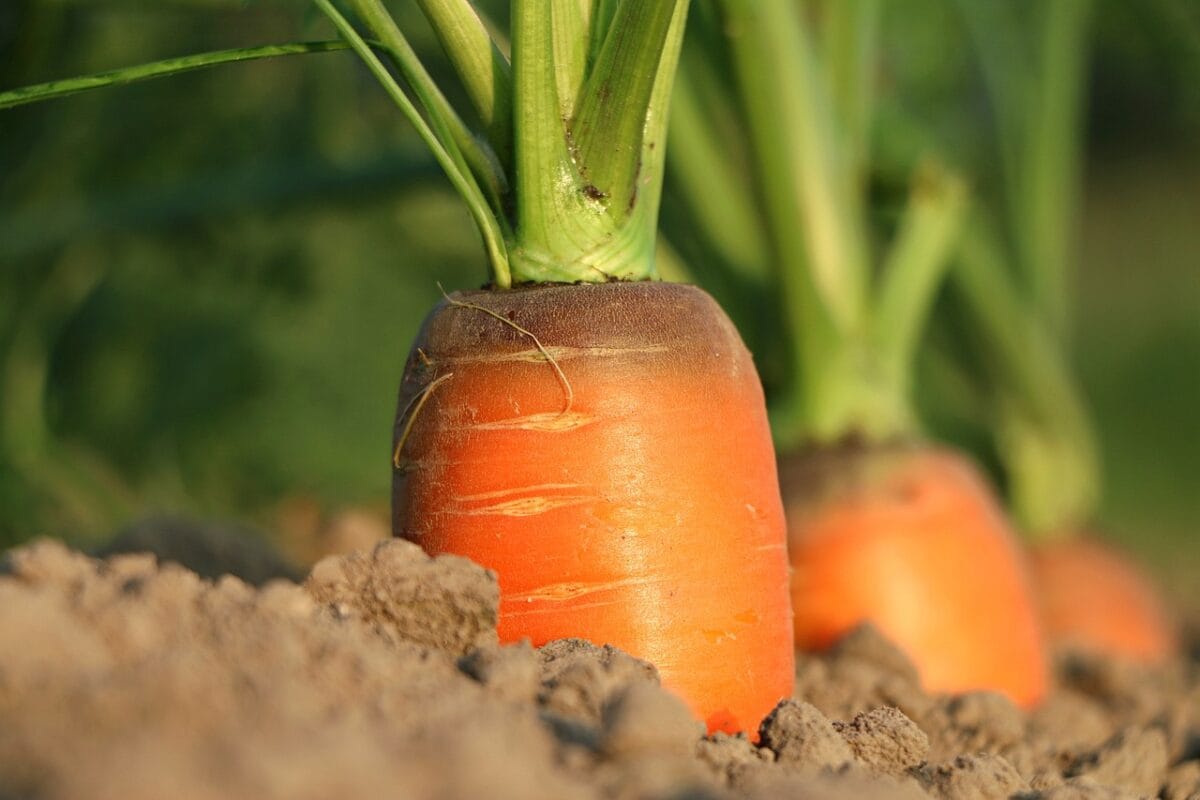
Avoid wilted or dry areas. Wilted or dry stems and leaves show that the produce is not fresh. This can occur when the vegetables are not kept well or are beyond their optimum freshness. Opt for vegetables with firmer and hydrated stems and leaves.
Storage Tips
Know how to store various kinds of produce. Store vegetables in the correct way to maintain vegetable freshness. For instance, keep tomatoes at room temperature, leafy greens, and berries at the refrigerator. Knowing generally what each kind of produce needs can help keep them fresh.
Prolong freshness by storing under the correct conditions (e.g., refrigeration, cool, dry place). Various produce requires various storage conditions. Potatoes and onions, for example, need to be stored in a cool, dry place, but refrigeration suits most vegetables. Correct storage conditions can actually keep your produce fresh for a lot longer.
Local and Organic Options
Buy local products for freshness and fewer environmental effects. Local foods are fresher as they have a shorter distance to travel to reach your plate. Buying local also encourages local farmers and lessens the effect on the environment due to long-distance transport.
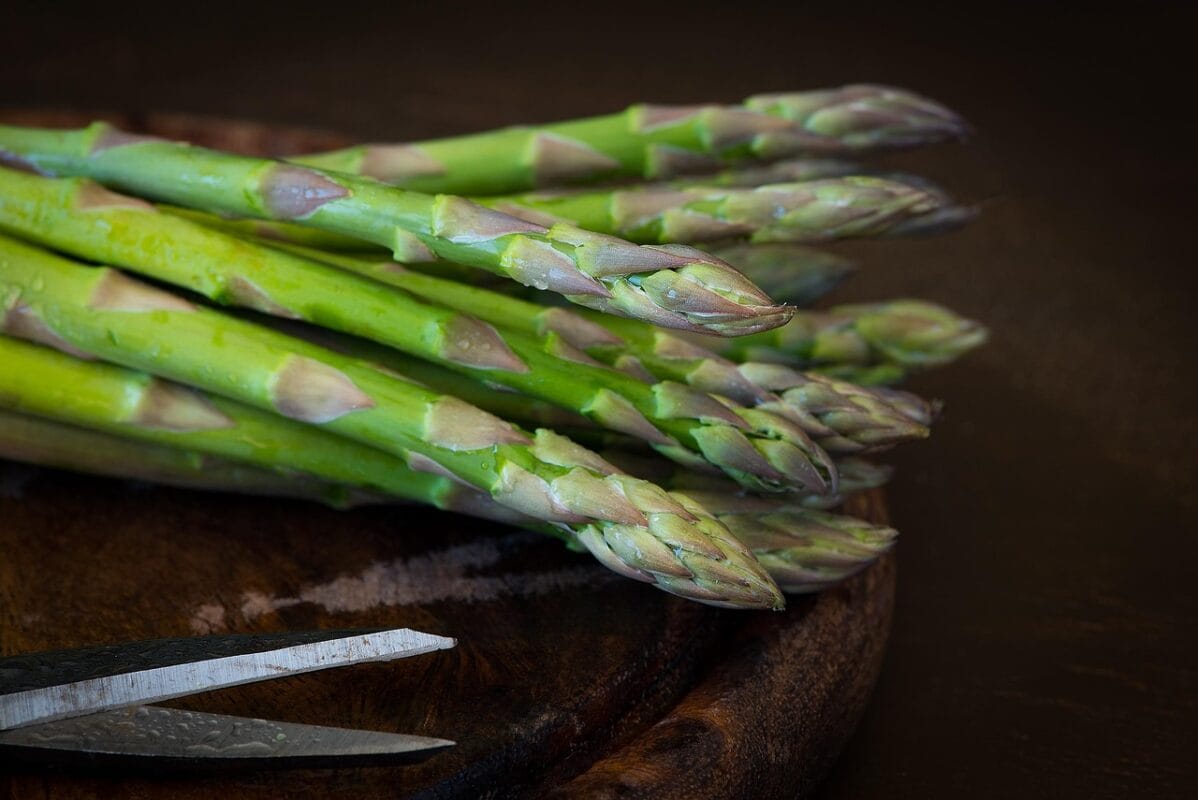
Know the advantages of organic and conventionally grown vegetables. Organic vegetables are cultivated without using synthetic pesticides and fertilizers, which can be healthier and environment-friendly. Conventionally grown vegetables are also healthy. If you weigh the advantages and disadvantages of organic and conventional, you can make smart choices.
Benefits of choosing fresh vegetables
- Nutrient density: Vegetables have high levels of nutrients that are easily absorbed by the body. These are vitamins, including vitamin A, vitamin C, and folate, and minerals like magnesium and potassium.
- Antioxidants: Numerous vegetables contain antioxidants, which neutralize free radicals’ ability to damage cells. Antioxidant protection is particularly important in guarding against chronic conditions like heart disease, cancer, and diabetes.
- Fibber: Fibber is rich in fresh vegetables, particularly vegetables. Fibber assists in digestion, supports healthy cholesterol levels, and induces a feeling of fullness, which can help with weight control.
- Hydration: Fresh vegetables contain high water content, thereby contributing to hydration levels in the body. This is especially helpful in maintaining healthy skin, ensuring body temperature, and aiding in kidney function.
- Low in Calories: Fresh vegetables are low in calories compared to processed foods and snacks. A large variety of vegetables will probably help manage weight and overall health.
- Variety of Flavours and Textures: Fresh vegetables give an assortment of flavors and textures that vary from sweet, succulent berries to hard, savoury greens. This variety not only gives an assortment of eating experiences but also encourages a balanced diet with differing nutrients.
How can Greatfoods help you?
That’s all about how to choose fresh vegetables. Greatfoods offers a generous amount of fresh Vietnamese vegetables and fruits grown to the highest quality level. With the site, you can easily select the products that you need without the hassle of visiting markets. If you wish for the best way to know how to choose fresh fruits and vegetables at the market, Greatfood’s products are your ultimate solution.
For inquiries and orders, please contact us at:
- Facebook: Greatfoods
- Youtube: Greatfoodsvn
- Email: [email protected]
We are happy to partner with you in the future!