


Fruit plays a central role in a healthy diet. Regardless of whatever way you are eating your fruit, the vitamins, antioxidants, and necessary nutrients provided by the fruit will keep your body at its healthiest. But if talking about choosing between frozen fruit and fresh fruit, what is the best choice? Is there a difference in the nutritional value, or is everything simply a question of taste?
We’ll be looking at the differences between frozen fruits and fresh fruit, comparing things from nutrition right through to shelf life, to help you make the right choice. We will also look at the health benefits of each one, so you can feel good knowing that you’re getting the best possible fruit, whether you buy it whole or as juice.
What is the distinction between fresh fruit and dried fruit?
Fresh fruit is any kind of fruit that has been picked and is in its natural form, and it has not been subjected to such processing as freezing, canning, drying, or pickling. Dried fruit is a type of fresh fruit that has been processed by the removal of all the natural water from it.
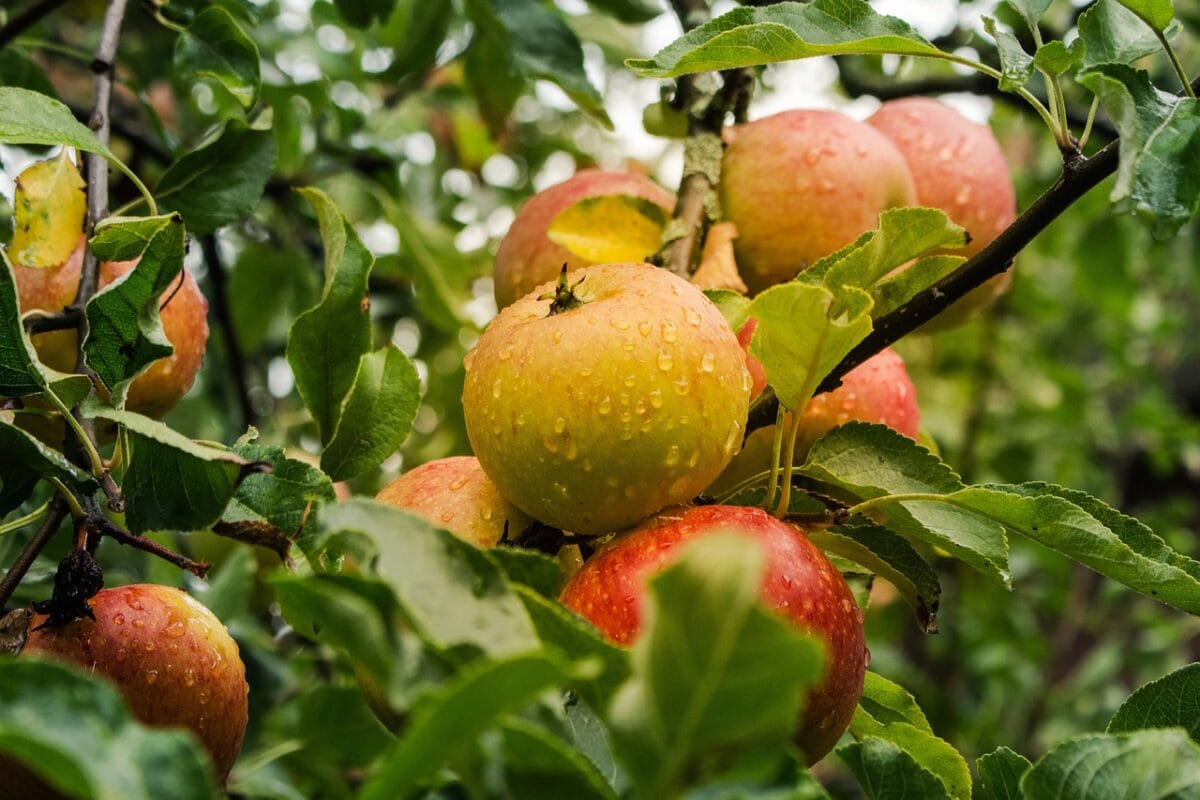
Fruit can be dried in different ways, like sun drying, oven drying, freeze drying, vacuum drying, and using a dehydrator. Sundried fruit, freeze-dried fruit, and dehydrated fruit are three types of dried fruits. Below are some examples of kinds of fresh fruits vs dried fruits:
- Grapes vs. Raisins
- Apple vs. Dried Apple
- Mango vs. Dried Mango
- Apricots vs. Dried Apricots
- Cherries vs. Dried Cherries
- Cranberries vs. Dried Cranberries
Both fresh and dried fruits have many health advantages, such as being an excellent source of calories, natural sugars, fiber, vitamins, and minerals, albeit their quantities as well as their perks vary a bit.
Advantages of frozen fruits and fresh fruits
According to the fruit, some will hold more nutrients being frozen and others if kept fresh. The nutrients of fruit are maximized immediately after plucking. Since it is frozen rapidly, the nutritional value of the fruit is preserved.
If your fresh fruit is really fresh, the nutrient value might be the same. Regardless of whether you’re picking frozen fruit or fresh fruit, you’ll still be getting a lot of health benefits out of using it. Both types of fruits are rich in vitamins, antioxidants, and nutrients for general well-being.
Frozen fruit
Frozen fruits are plucked when at the optimum ripening stage and then rapidly frozen to keep the nutritional properties at optimum levels. Frozen fruit can also be kept for several months and can sometimes work out cheaper than purchasing fresh fruit, which spoils faster. With frozen fruit, one can remove as many pieces you needed and save the rest for later.
The advantage of frozen fruits is that it has already been prepared for you. It is normally available cleaned and presliced for your convenience. This might help you save time when preparing dishes that have fruit included in them.
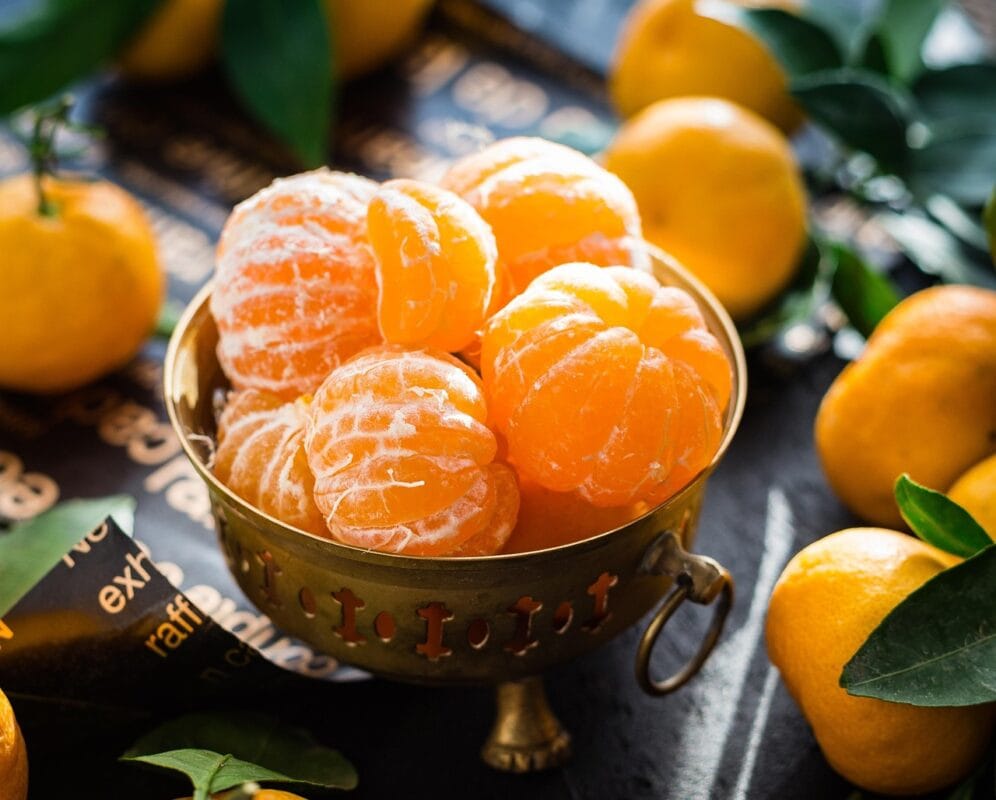
Likewise, frozen fruit is excellent to use in yogurt and smoothies. Just take a handful of strawberry slices, throw them into your bowl of yogurt or your blender, and there is your snack. If your favorite fruits to serve these dishes are out of season, they may still be available to you in the freezer form. Go for uncanny fruits that are free of sugars.
Frozen fruits are a low-calorie, nutrient-packed option that will assist you in achieving the daily requirement for fruits and vegetables. They are also a great choice for those who are trying to cut down on their consumption of added sugars, as they would not usually contain the preservatives or syrups that are often in canned fruits.
Frozen fruit offers a good alternative to people who want to eat out-of-season fruit throughout the year, but without losing nutrient value. By freezing the fruits in their best state, you can consume delicious summer berries or mangoes in the middle of winter.
Fresh fruit
If you prefer to pick fresh fruit, it is usually in season and also more versatile than frozen fruit. Freezing can affect the texture of your fruit after being thawed, though fresh fruit will maintain its natural texture more.
There is one advantage to fresh fruit, and that’s the fact that it can normally be found when it’s in season. There are many food guides available online that can tell you what is in season and when. By buying in-season fruits, you are guaranteed of fruits that do not depend on such fertilizers or additives to grow out of season.
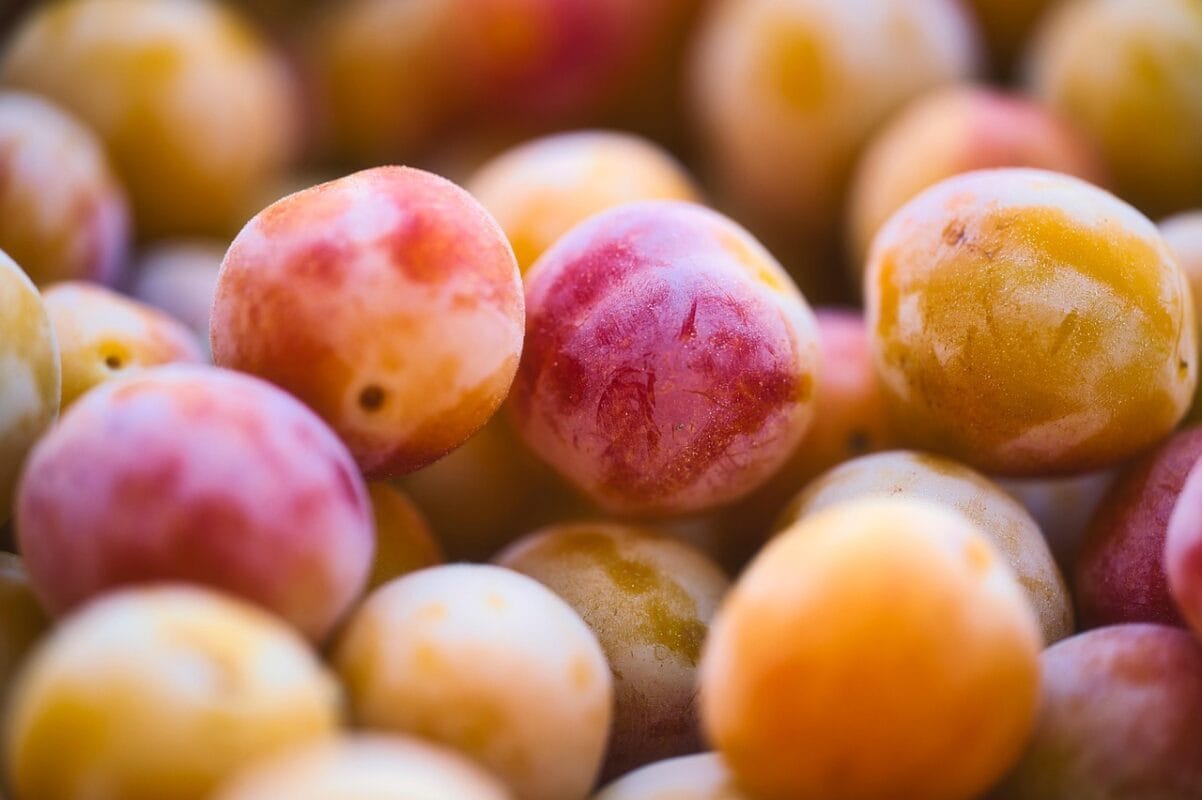
Fresh fruit is also a delicious way of staying hydrated since watermelons and oranges are fruits that have a high water content. Eating fresh fruits also helps you to eat more fiber, which is important for normal digestion and perhaps for weight loss or control through making one feel full longer.
Since fresh fruits are taken raw, they retain the natural enzymes that may help in digestion and enhance gut health.
What’s the nutritional difference?
Probably the most frequent question that people ask when they have to make a decision between frozen fruits and fresh fruits is whether there is a difference in their healthiness. Do we always need to go for the fresh fruit? The short answer is no.
Fresh Fruit
Fresh fruits are often put forth as the best option since they are also picked at the peak of their ripeness and are then eaten in their most natural state. As soon as you purchase fresh fruits in the grocery store or the farmers market, they have done as little processing as can be compared to the one that frozen fruit goes through, so people can just take this at face value and naturally conclude that more processing automatically means less healthy.
One of the most important nutritional elements that are found in fresh produce is vitamin C. This water-soluble vitamin is crucial in boosting the immune system, ensuring that there is healthy skin, and also in the absorption of iron. However, vitamin C is very light, heat, and air sensitive, therefore, the levels of this vitamin begin deteriorating as soon as the fruit has been harvested. If the fruit is left to stay for too long (be it on the grocery store shelf or inside your fridge), it will start losing some of its nutrients.

Fresh pulses and fruits contain phenolic compounds, which are a type of antioxidant that helps in fighting free radicals in the body. They can lower the risks of heart disease and other chronic diseases.
Frozen Fruit
Frozen fruits are usually harvested at full ripeness, the same as the fresh ones, but undergo a freezing procedure that preserves their nutritional value. Before freezing, fruits are usually blanched – a process where fruit is treated with hot water or steam for a few seconds just to eliminate enzymes that have the possibility of making the fruit rot. This process may lead to the loss of a small percentage of nutrients, especially in the water-soluble vitamins, such as vitamin C, although this is a very minimal effect and not something to worry about.
The fruits retain their vitamin and mineral content once they are frozen. In fact, frozen fruits do not continue to ripen or spoil when they are being stored, resulting in more nutrients being preserved than the fresh fruits that have been in your fridge/countertop for several days. This implies that frozen foods can be as healthful, if not more healthful, than fresh.
Shelf life and convenience
The greatest difference between frozen and fresh fruit is their shelf life. Even fresh fruits may be tasty and flavourful, but they have a short life. Fruits such as berries or bananas can only last for a couple of days before they begin to spoil. This can cause food waste if you fail to eat it fast enough.

Frozen fruits extend the shelf life by several months, unlike fresh fruit. If properly stored, they can keep for months in the freezer, without losing their quality. That makes them a handy alternative for those who would like to stock up on fruit without having to worry about spoilage.
The verdict: Which is better?
So, which is better: frozen fruit or fresh fruit? The answer will largely depend on your way of life, tastes, and the particular uses you will have for the fruit.
Choose Fresh Fruit If:
- You love to munch on fruit when it is in its natural form.
- You regularly shop in farmers’ markets where you can obtain fresh and seasonal produce.
- Fresh fruits are your preference on the grounds of how they feel and taste.
Choose Frozen Fruit If:
- You want to have fruit to cut for smoothies, baked goods, or cooking without fear of it spoiling.
- You require a less demanding option that is also long-lasting regarding planning meals.
- You would love to have the pleasure of eating off-season fruits throughout the whole year.
Either the frozen or the fresh fruit is nutritious and healthy, so either choice is correct. The best option is the one that suits your needs, if it is your desire to have fresh apples in your kitchen to use for snacks or the need to stock your freezer with berries so that you can blend them for breakfast smoothies.
Greatfoods – Your trustworthy partner in Vietnam for the fresh fruit supply
At Greatfoods, we appreciate the value of quality and freshness of fruit. Being a reliable supplier of fresh fruit in Vietnam, we are proud of the diverse range of in-season fruits that we supply to customers, irrespective of whether they are individuals who are looking for healthy options or businesses that want to fill their shelves with the best products.
We are very selective about our sourcing of fresh fruit from local farmers and orchards so that you get the best possible quality fruit full of taste, nutrients, and antioxidants. We ensure we uphold sustainability and promote the local agriculture; you can therefore enjoy your favorite fruits, confident that you are doing it right.
For inquiries and orders, please contact us at:
- Facebook: Greatfoods
- YouTube: Greatfoodsvn
- Email: [email protected]
We are happy to partner with you in the future!