


The Fennel seeds are another example of long-term spice trade whose sweet and aromatic taste and enthusiasm has been widely used in food, drink, and drugs. Although India has been a leading supplier of this market, increased demand in other parts of the world like the Middle East, Europe and North America is compelling buyers to seek other sourcing alternatives.
This transition brings out Vietnam as a developing supplier. Vietnam provides the purchasers with a consistent substitute to the conventional manufacturers because of the conducive farming weather, affordable prices, and the increasing agricultural export knowledge. Among the bulk importers who are interested in supply of fennel seeds with a consistent quality and long term cooperation, Vietnam is gradually turning out to be a strategic center of supply of fennel seeds.
Overview of fennel seeds in global market
In both the traditional and new industries, a consistent increase in the demand is the backbone of the global fennel seeds market. Fennel seeds have made it not only a domestic spice in South Asia and Middle East but also to an important part of herbal teas, baked goods, confectionery, liqueurs, and natural remedies. With the global shift to clean-label products and plant-based ingredients gaining momentum, fennel seeds are starting to be more introduced into the food and nutraceutical industries.
India has been the main producer of fennel seeds, where the majority of the exports to the markets in the Gulf States, the European Union, and the United States are produced. It is still vital in its role, but the lack of a variety of suppliers in the position of the dominant supplier poses a challenge to the importers. Price fluctuations, changing quality of harvests, and bottlenecks in the supply chain have compelled foreign customers to seek other sources of supply.
In the meantime, the demand in the world market is expected to continue increasing. The growing popularity of herbal teas in Europe and North America and the growing usage of natural digestive aid in nutraceuticals remains a source of bulk purchases. The importers are eager to find good long-term suppliers with the capability of fulfilling the needs in quantity and quality at the international level.
This is a market pressure that has led to avenues where other countries that produce the same have seen an opportunity to be considered a legitimate alternative. Vietnam is one of them and is characterized by the growing agricultural production, the presence of the favourable climate in which the fennel grows, and the well-developed export infrastructure. With the world consumers aiming to stop relying on India and at the same time continuing with a competitive price and quality, the status of Vietnam, as a new source of fennel seeds, is becoming even more topical.
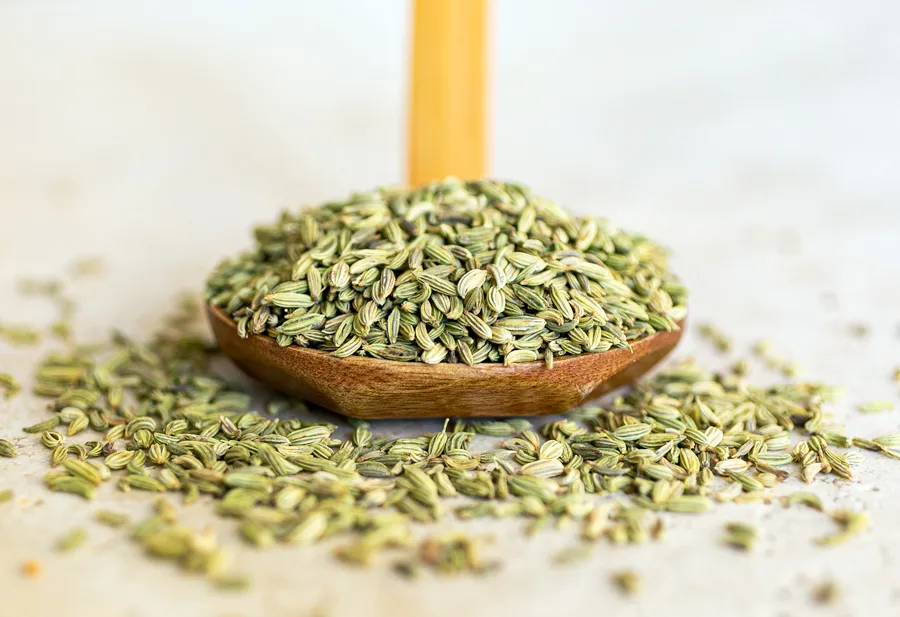
Comparative India fennel seeds vs. Vietnam fennel seeds
In the case of fennel seeds, India has always been regarded as an international giant. India contributes most of the global exports having large cultivation lands in other states like Gujarat and Rajasthan. Its superiority has set expectations in the market, particularly in terms of pricing as well as availability and product features. Nonetheless, the high dependence on India as the major supplier also presents the buyers with potential risks. At some point, price fluctuations because of domestic demand, weather effects in the form of harvest, and port congestion have broken the supply of goods to importers in the Middle East, Europe, and North America.
Vietnam on the other hand is developing into a viable substitute supplier, gradually gaining market presence in the fennel seed market. Although the production scale of the country is lower than that of India, Vietnam has the advantage of fertile soil, tropical to sub tropical climate and the emerging adoption of modern production methods. These attributes result in aromatic fennel seeds, robust in taste and quality that is consistent -something that would be of great importance to bulk buyers who are in need of reliable supplies of food, drink, and nutraceutical ingredients.
The other area of difference is in logistics. The distance between India and some markets (especially those in Europe and North America) may result in more time and expenses spent on shipping. Vietnam, being strategically positioned within key trade routes of the oceans, has the benefit of providing a logistical advantage. The existence of well-established ports like Hai Phong and Ho Chi Minh City enables the exporters to transport products to the world at a faster and more flexible speed and at relatively lower freight rates.
Further, Vietnam has been performing in terms of endorsing itself to the international standards of quality and safety. Exporters are considering more and more certification like HACCP, ISO, Halal and Organic to satisfy the changing demands of buyers across the borders. This is an indication that Vietnam will be willing to not only provide bulk fennel seeds, but also buyers who require the adherence to global food safety systems.
In the case of the importers, it is obvious that India is the well-established supplier, but Vietnam provides a developing, consistent, and strategically located competitor. Diversification of supply chains to incorporate Vietnamese fennel seeds will help buyers minimise risks, maximise logistics, and obtain quality ingredients at competitive prices.
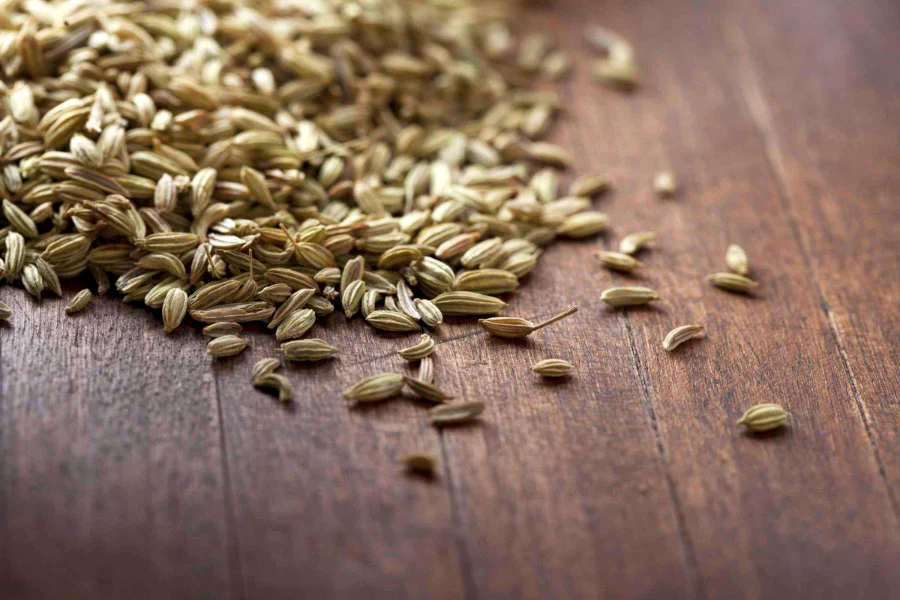
Advantages of sourcing fennel seeds from Vietnam
With the current demand of fennel seeds growing and growing worldwide, global consumers are turning to non-conventional market places to guarantee consistency of high quality products. Vietnam, which has an increasing agricultural potential and sales orientation, has some unique benefits that can be utilized to make it a sourcing destination by bulk importers.
Competitive pricing
The cost structure of Vietnam is very competitive as compared to other production nations. Price advantages are determined by lower costs of labor, effective farming practices and availability of cheap logistics routes. This would be the advantage of a bulk importer where they have more flexibility in terms of procurement budgets but the quality of the products remains the same.
Strategic logistics and shipping routes
The geographic positioning of Vietnam gives it some special advantage concerning international purchasing. Vietnam is placed in major marine trade routes whereby it takes less time to deliver to Europe, North America and Asia-Pacific markets than some of the conventional suppliers. Large ports such as Ho Chi Minh City and Hai Phong are also equipped to cope with high export volumes of agriculture and therefore logistics and freight costs are easier. This will translate to a supply chain that is more reliable and fast to the importers.
Consistent quality and flavor profile
The Vietnamese fennel seeds have a good aroma, homogenous shape and natural sweetness. Good soil and climatic conditions are used to produce resilient crops with minimal harvest to harvest variation. The consistency is beneficial to the importers since it is a very important aspect of companies that deal with tea blends, bakery, or herbal cures where the flavor and quality of the product must be constant between batches.
Compliance with global standards
Vietnamese exporters are also paying much attention to fulfilling international food safety and quality standards, namely HACCP, ISO, Halal, and Organic. This guarantee would give the buyers confidence that the fennel seeds are of high quality in terms of importation requirements in other markets like the EU, U.S and the Middle East. This corresponds to a decisive advantage to businesses that focus on clean-label and certified ingredients.
Sustainable farming potential
Sustainability represents an increasing trend in international consumers, and Vietnam can easily follow the trend. Local cultivators are moving towards better farming methods that focus on the well-being of the soil, less chemicals, and traceability. These practices can help importers satisfy the demand of consumers to buy environment-friendly and responsibly sourced products.

Conclusion
Due to the steady growth of the global fennel seeds market, importers are in need of alternatives, which can replace the traditional fennel seeds with reliable, cost-effective and quality alternatives in order to diversify supply chains. This has seen Vietnam become a developing source of production that is becoming an increasing alternative to India because it offers unique benefits in pricing, logistics, consistency, and adherence to global standards. In the case of companies that deal with food, beverage and nutraceutical and herbal tea manufacturing, the Vietnam sourcing provides a strategic survival and a long-term growth opportunity.
The thing is not only about the quality of the fennel seeds in Vietnam but about the professionalism of the exporters who are becoming more and more oriented towards the requirements of international business. Flexible quantity and quality-assured products, effective logistics and close customer relationships are just some of the many aspects that Vietnam has to offer beyond a commodity; a reliable solution to long-term supply.
This is the opportune time to consider Vietnam as a sourcing destination to international buyers. Through the collaboration with Vietnamese exporters, you can get a competitive and reliable supply that can help you to achieve your business goals in the changing global market.
Are you willing to boost your fennel seed chain? Get in touch with Greatfoods and request samples, negotiate on bulk orders or get a personalized quotation. Vietnam is the country with which to close the deal in the expanding fennel seed market around the world.
For inquiries and orders, please contact us at:
- Facebook: Greatfoods
- Youtube: Greatfoodsvn
- Email: [email protected]
We are happy to partner with you in the future!