


Dried vs freeze dried fruit are traditional methods of preserving fruits. Have you thought about how these methods differ from one another?
Who among you has not mixed up the dried vs freeze dried fruits at one point, only for you to discover that the two are not the same and have quite some disparities? Now let us consider the most significant differences and similarities in their nutritional profile, texture, taste, and suitability for various culinary applications.
What is Dried Fruit?
Drying of fruits involves the process of water removal from the fruit either through the use of heat or exposure to air. Historically, this was done by just placing fruits in the sun for example by drying them. New dehydrators or ovens utilize low temperatures to remove the moisture for several hours or even a couple of days. The recommended heat for this process is usually around 130 degrees, which enables the removal of moisture without actually baking the fruits.
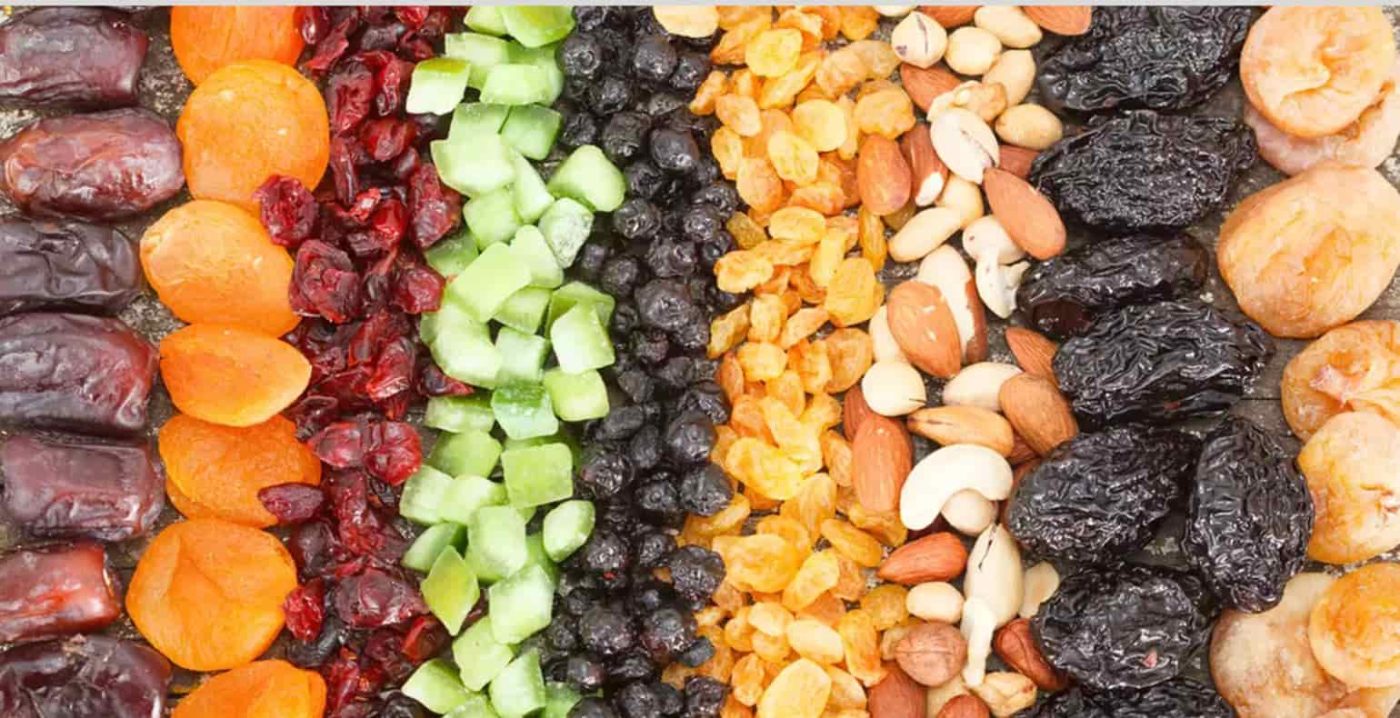
This process leads to a dense fruit with a dense taste and a nearly raw feeling in the mouth. Even though most of the moisture content is eliminated during this process, dried fruit contains approximately 20 percent of its water content, which gives it an unmatched texture and rich taste.
What is Freeze Dried Fruit?
Freeze drying is quite the opposite of ordinary drying, and it is also called lyophilization. Primary freezing is done followed by a step where the fruit is exposed to a vacuum and the temperature is raised a bit. This brings about the sublimation of ice where the ice becomes vapor without passing through the liquid state. The best condition for this process is at a temperature that is as low as minus forty degrees Fahrenheit.
This cold, gentle technique eradicates virtually all of the moisture in the fruit while retaining its original color and taste. Freezing fruits on the other hand is a process that is associated with freeze drying and the final product tends to be very light and crispy when chewed. They can be used in their natural, original state, or even ground into a paste, so it has practical applications in multiple foods.
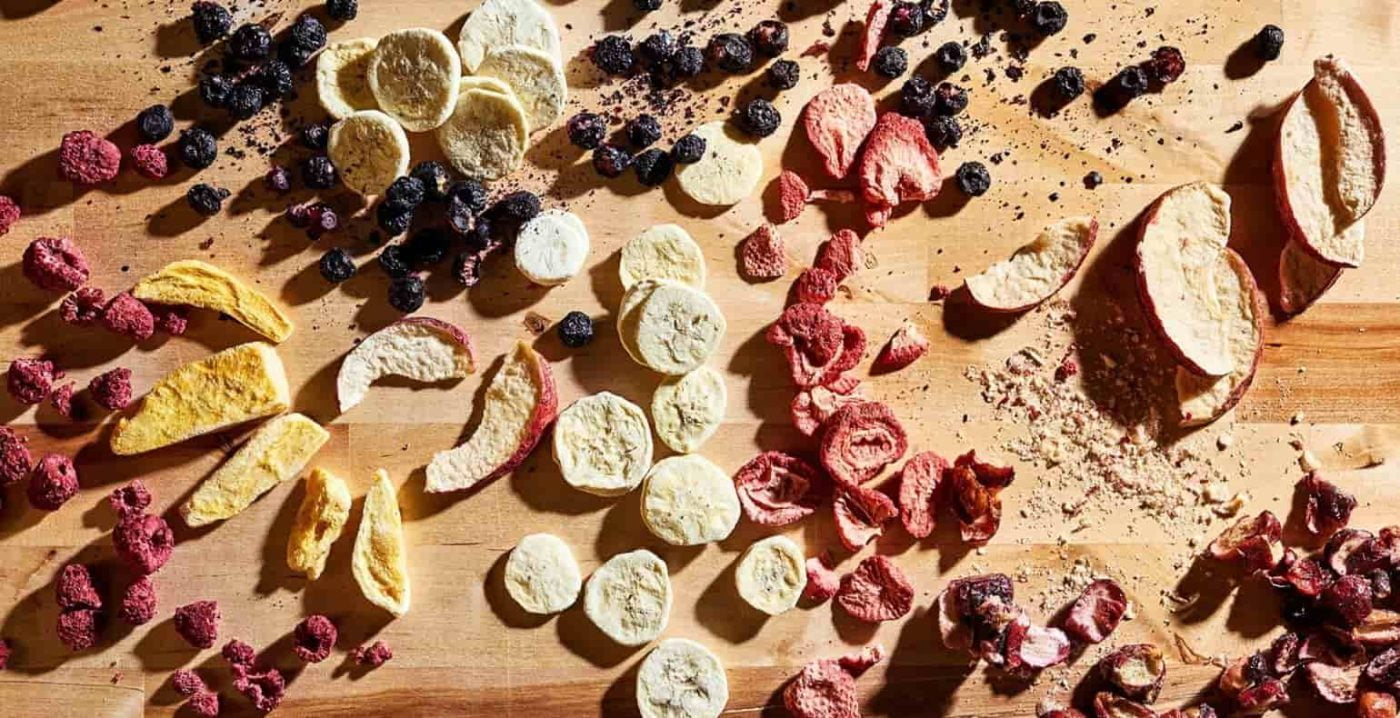
Though the final product is dried fruits, both drying and freeze drying processes use different approaches with hot or cold treatment. It is also about defining the specifics of the preparation and application of each type of dried fruit to make the most out of it.
Dried vs Freeze Dried Fruit: The Comparison
Although dried fruits are portable, generally shrunken, and can be stored for a long time, they are normally preserved with sugar and contain many calories since they are prepared through a concentration process.
Freeze dried fruits, however, contain higher nutrients and can also be devoid of added sugars. They also have a characteristic crust which many people prefer to the chewy crust of normal dried fruits.
Freeze dried fruits are dried fruits but without most of the pros and cons associated with dried fruits. They are convenient, last for a long before going bad, and have better nutritional benefits, they are perfect for anyone looking for healthy snacks.
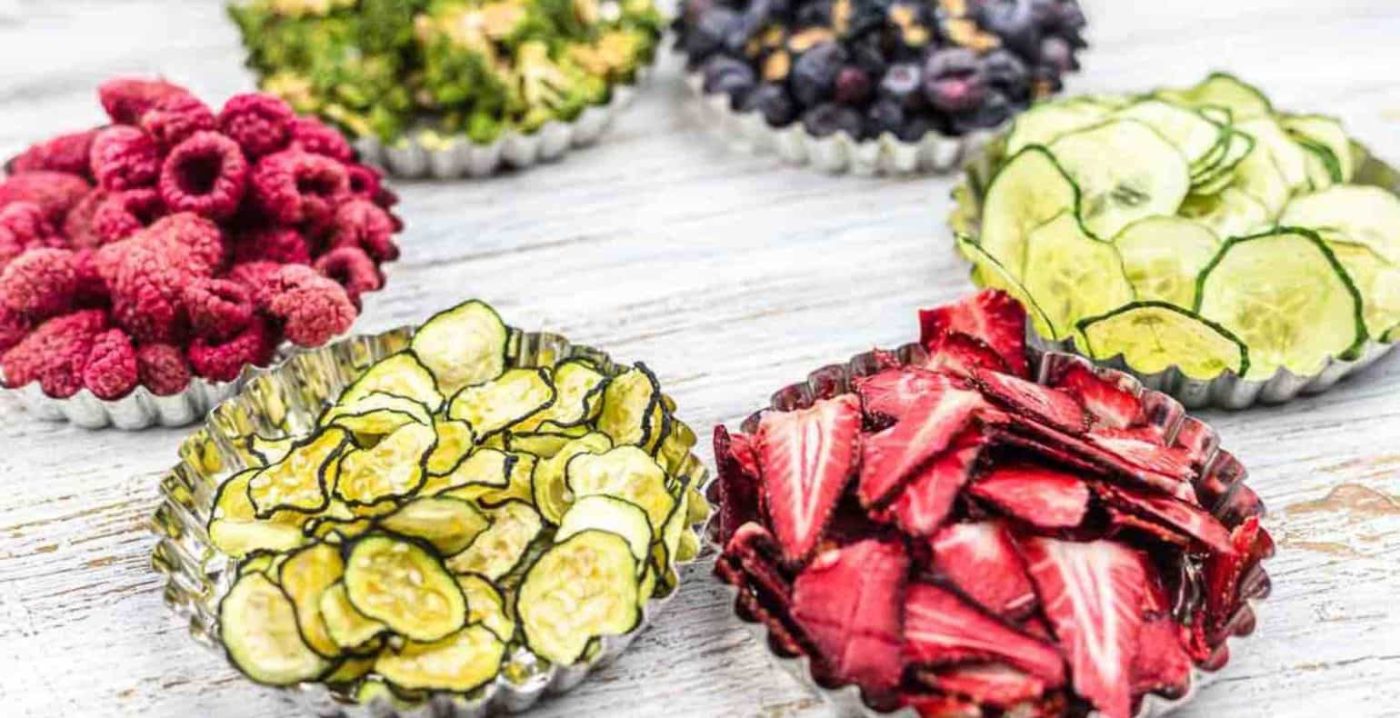
| Freeze Dried Fruits | Dried Fruits without the freeze | |
| Preservation Process | Freeze drying is derived from freezing the fruit at very low temperatures and then dehydration through sublimation. This technique has the advantage of producing fruits that are light in weight, with a very long shelf life, and gross morphology on the exterior. | Conventional drying techniques include drying fruits under air, under the sun, or using heat to reduce moisture. This leads to the fruits becoming small in size, compact, and rubbery in texture. |
| Nutritional Content | Freeze drying retains more of a fruit’s nutritional content, such as vitamins, minerals, and antioxidant content. Freeze-dried fruits are also known to have better nutrient preservation than fruits that are usually dried because they do not take time under heat. | While the usual varieties of dried fruits are healthy, some heat-stable nutrients may be slightly degraded during the dehydration process. However, they are still a rich source of fiber, natural sugars, and some nutrients that are deemed essential in the body. |
| Texture and Taste | Freeze dried fruits have a light, porous, and crunchy structure as a result of the phase transformation. They dissolve easily in the mouth, to give that crisp feeling. The intense concentrations create a powerful taste sensation. | Regular dried fruits are hard and heavy, making them more so in terms of their feel and texture. They maintain the flavor since they contain less moisture compared to other methods such as freeze-dried fruits but may not be as strong in taste. |
| Culinary Applications | Freeze-dried fruits can be eaten in a variety of ways; they are best served as a garnish on bowls of cereals, yogurt, or desserts. They can also be powdered and incorporated into smoothies, cake/bread, and sauces because they do not change the overall feel of any food item. | Conventional dried fruits are usually employed in cooking, baking, and production of trail mixes and snacking. They have a soft, moist texture making them ideal for use in granola bars, muffins, and stuffing. |
| Shelf Life | Suspend animation also helps to increase the shelf life of fruits, as moisture will not support the proliferation of bacteria, mold, and yeast. Another advantage of freeze-dried fruits is that they can be stored for 1 year or more while maintaining their quality. | The daily ordinary dried fruits are also more delicate in handling, and less hygienic than freeze dried fruits as they can stay longer on the shelves because of minimal moisture content. |
Freeze-dried and regular-dried fruits are both valuable and can be incorporated into recipes in different manners. Freeze-dried fruits are widely recognized for their ability to retain their nutrients and present an interesting crispy texture, which makes them ideal for snacking.
On the other hand, regular dried fruits are dense in texture and have an intense fruit flavor perfect for traditional preparations. It is therefore important to know the difference between the two in light of your nutritional needs and optimal cooking style.
Where To Buy Dried vs Freeze Dried Fruit
Seeking a quick option to make a meal richer in easily digestible nutrients and to restore strength and vigor? You don’t need to look further; Greatfoods is the best option for you! Our range of dried vs freeze dried fruit is available in bulk at competitive prices for our wholesale customers.
Freeze-dried fruits are different from candied fruits in that they do not lose their shape and are brightly colored and extremely light and crunchy in texture. This process also retains a great amount of vitamins, minerals, and antioxidants, making them nutrient-dense.
No matter your preference, Greatfoods has you covered! Freeze-dry fruit you can find here; traditional fruits as raisins or cranberries and not so traditional as mango or bananas. Whether you have a large family or simply love buying your favorite fruit in large quantities, this is your opportunity to save.
For inquiries and orders, please contact us at:
- Facebook: Greatfoods
- Youtube: Greatfoodsvn
- Email: [email protected]
We are happy to partner with you in the future!