


Lemongrass is a highly diverse herb used in the food, beverage and nutraceutical industry in the world, and the comparison of dried lemongrass vs fresh has become an important question for global buyers.
To a foreign company that imports agricultural raw materials, the choice to go with dried lemongrass or fresh lemongrass is not simply a question of taste. It directly affects logistics, cost efficiency, shelf life and stability of production. Although fresh lemongrass is popular because of its bright aroma, dried lemongrass has its great benefits in international trade, and hence it is the choice of numerous bulk buyers.
This article presents an in-depth comparison of dried and fresh lemongrass, including the factors that are the most crucial to importers, distributors, and food producers.
Dried lemongrass vs fresh: Flavor and applications
On the consumer level, the dried lemongrass vs fresh comparison often focuses only on taste. Nonetheless, the businesses that make bulk purchases should take into account the sensory properties as well as the compatibility of each form with the production systems.
Fresh Lemongrass: Fresh stalks have a sharp, bright citrus aroma with grassy undertones. They are perfect in preparing fast cooking foods like stir-fries, marinades, curries and soups. Fresh lemongrass is often favored by restaurants and fresh produce markets due to its high level of aroma and value of instant use.
Dried Lemongrass: Drying helps to preserve the essential oils by stabilizing the aroma and presents the aroma which is more concentrated and refined without being overpowering. Lemon grass is a common addition to herbal tea blends, spice combinations, packaged soups, and nutraceutical extracts that are dried. Manufacturers like it since the flavor profile remains constant between batches, which simplifies large-scale production.
Summing up, fresh lemongrass is preferable in culinary immediacy whereas dried lemongrass is more realistic and predictable in industrial usage.
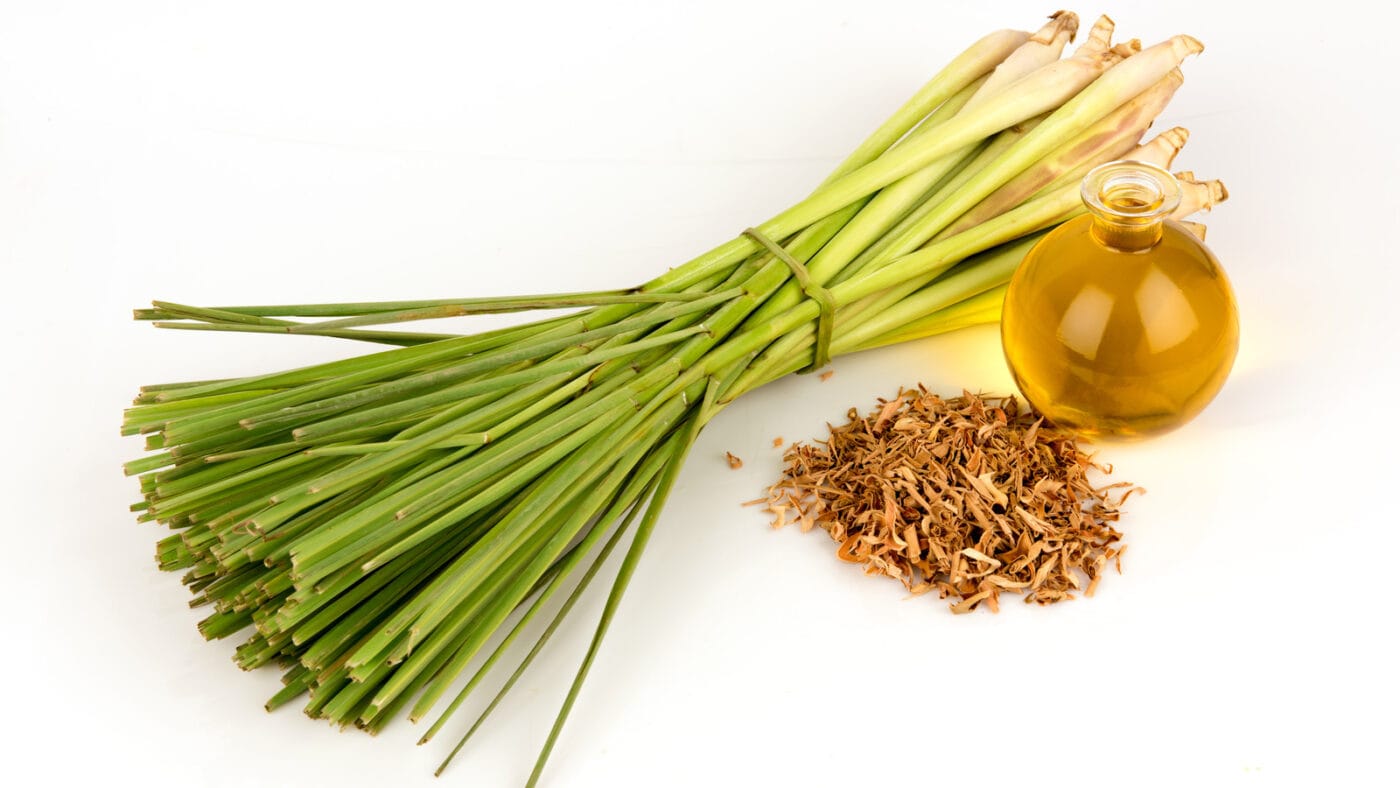
Dried lemongrass vs fresh storage, shelf life, and logistics advantages
Shelf life is one of the greatest variations to the importers.
Fresh Lemongrass
- Shelf life: 5-10 days in refrigeration.
- Needs cold chain logistics, raising the storage and transport costs.
- Easy to break and to be spoiled during transportation over long distances.
Dried Lemongrass
- Shelf life: 1218 years when kept in airtight containers in a cool dry environment.
- Refrigeration is not necessary, which saves the logistics a lot of money.
- Is capable of surviving the international shipping, that is importers can stock huge amounts and make long-term supply planning.
These benefits are vital to B2B consumers. A fresh lemongrass shipment will incur high losses through spoilage whereas dried lemongrass can be used over long durations without spoilage. This aspect alone often makes the dried lemongrass vs fresh debate lean in favor of dried lemongrass for international buyers.

Cost and supply chain considerations when importing dried lemongrass
In the case of fresh and dried lemongrass, total landed cost has a greater role compared with initial purchase price.
Freight and storage: Fresh lemongrass has to be refrigerated containers that are more costly and less economical. Dried lemongrass on the other hand is light, small, and can be transported in large quantities without any handling that is temperature sensitive.
Product Losses: Fresh lemongrass is very susceptible to losses because of spoilage and weight loss caused by dehydration during transportation. Lemongrass grid will get rid of the majority of these risks so that the buyers get the best out of their order.
Stability of Supply: Fresh lemongrass is not year-round in all regions of production and sourcing is not easy. Lemongrass can be harvested, processed and stored as dried grass, which offers manufacturers and distributors with supply continuity throughout the year.
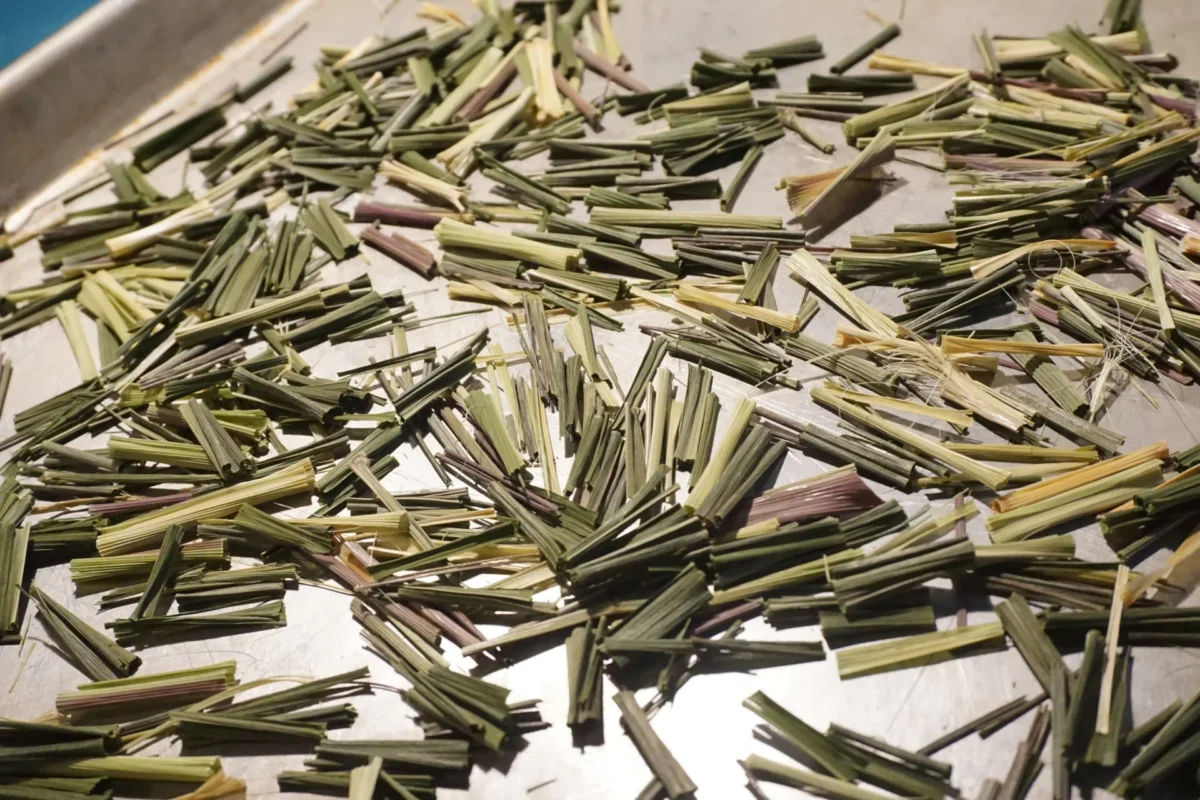
Market trends and industrial demand for dried lemongrass
The worldwide trend of shifting towards natural, plant products and functional ingredients has increased the demand of dried lemongrass, making the dried lemongrass vs fresh choice more relevant for bulk buyers. This trend is motivated by several industries; these are:
Herbal Tea and Infusions: dried lemongrass is a common ingredient in tea mixtures due to its calming down smell and the ability to stimulate digestion. The use of herbal tea is increasing in North America, Europe and East Asia which is generating a constant demand for dried lemongrass as one of its main constituents.
Food Seasonings and Packaged Foods: Spices and seasoning companies use dried lemongrass in curry powders, soup bases, and in packaged food items. Dried food ingredients are favored by multinational food processors due to higher storage, quality homogeneity, and shelf-life of the product.
Nutraceuticals and Wellness Products: Lemongrass has antioxidant and antimicrobial bioactive compounds, which is a good fit with supplement and functional food companies. Dried lemongrass extracts and powder are finding applications with wellness drinks, capsules and flavoured waters.
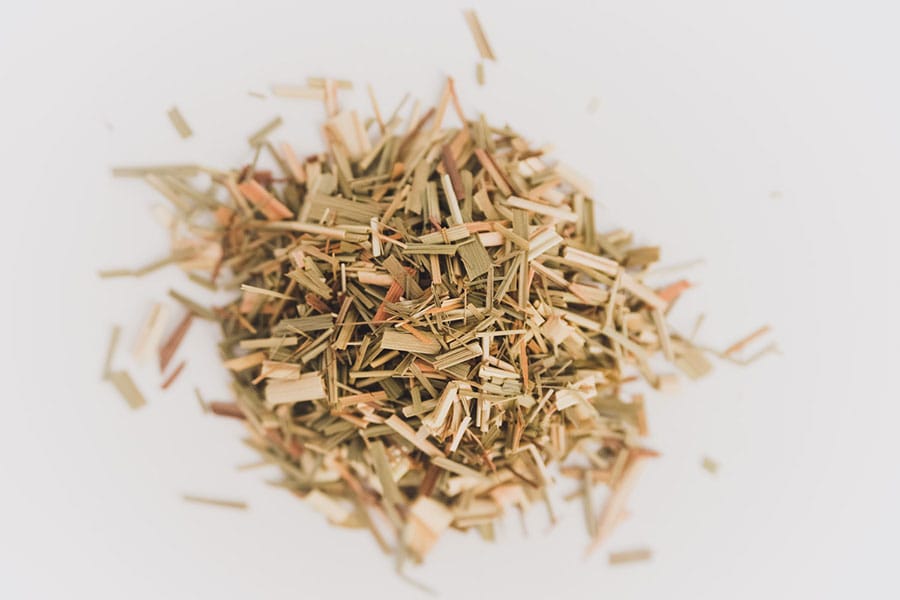
Why Vietnam is a reliable source of dried lemongrass
Vietnam is known to be a good supplier of dried lemongrass to foreign consumers. The nation has plenty and regular harvests due to the tropical climate and fertile soil that have made the country stable in supply throughout the year. Vietnamese farmers and processors are also enjoying high yield rates and competitive labor costs and this reflects in favorable export prices as compared to other countries that produce this product.
In addition to production capacity, Vietnam has established good experiences in dealing and exporting dried herbs whereby most of the suppliers are in line with the international standards like ISO, HACCP and organic certifications. Another benefit that importers find with the Vietnamese suppliers is the flexibility of suppliers who can supply dried lemongrass cut, sliced or powdered to suit buyer requirements and adjust packaging accordingly. These advantages make Vietnam a reliable business partner with the potential to ship high volumes with a consistent quality and global standards to the bulk buyers.
Conclusion
The dried lemongrass vs fresh debate acquires a completely different meaning when viewed from the perspective of international trade. Lemongrass is fresh and shiny in local markets and cooking areas where freshness is immediately valued.
Dried lemongrass is however the viable option in bulk importers. Its long shelf life, lower logistics expenses, and uniformity of taste, coupled with flexibility in application across industries, give it unequaled benefits to businesses acquiring raw materials in all parts of the world.
Dried lemongrass is not only an affordable alternative to international consumers in the food, beverage and wellness industries, but also a safe and reliable supply chain choice.
Call Greatfoods today and negotiate about bulk supply and design your long-term sourcing plan.
For inquiries and orders, please contact us at:
- Facebook: Greatfoods
- Youtube: Greatfoodsvn
- Email: [email protected]
We are happy to partner with you in the future!