


Lemongrass is among the most common known herbs of Asian food and traditional remedies. Over the last few years, the food and beverage industry worldwide has moved towards the use of dried lemongrass due to its uniformity, shelf stability and benefits of the supply chain. To bulk purchasers like tea producers, food processors and nutraceutical industries, it is vital to know dried lemon grass how to use in order to be cost efficient as well as innovative on product.
This paper discusses the application of dried lemongrass in industries, why multinational corporations are increasingly shifting to the dried not the fresh form and why Vietnam is emerging as a sure source of supply to bulk buyers.
What is dried lemongrass?
The lemongrass is dried by fermenting fresh stalks and leaves of lemongrass, cutting lemongrass stalks and leaves into small parts, and then drying them in controlled conditions. The process of drying fixes the typical citrus aroma and greatly increases the shelf life.
Commercially, lemongrass is sold in various forms which are dried:
- Cut and Sifted pieces: These are applied to tea blends and herbal infusions.
- Powdered Lemongrass: used in spice blends, canned soups and seasoning products.
- Tea-Bag Cut: This is specially made to form the herbal tea bags and ready-to-drink products.
To the foreign consumers, the dried product will remove the hassles of transporting fresh lemongrass, which is perishable. Having a shelf life of 12-24 months based on the packaging, guarantees long storage, less wastage and the ability to deliver the same taste even in a large scale production.
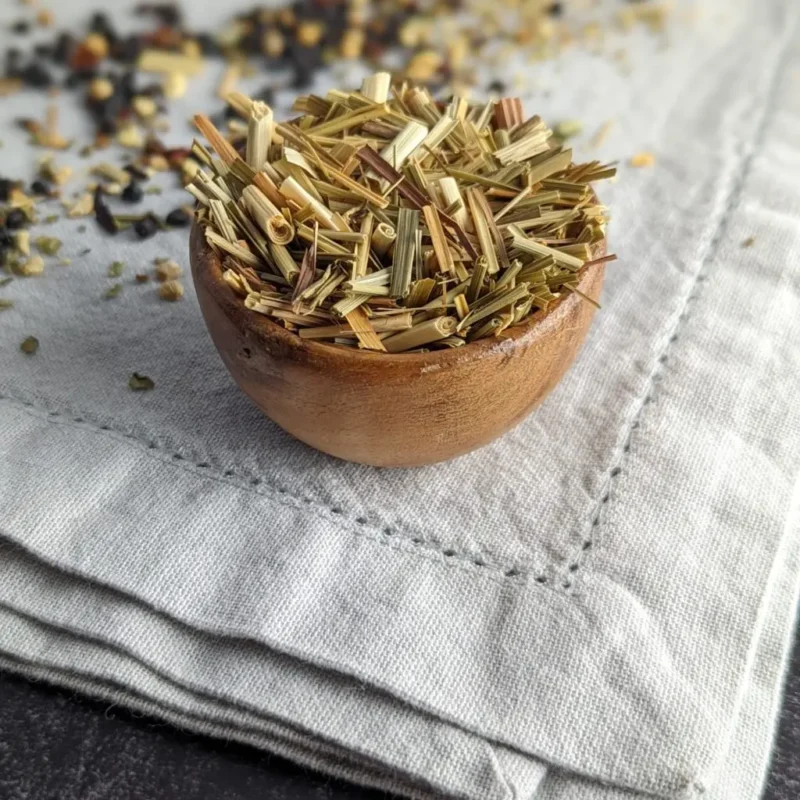
Dried lemon grass how to use in herbal tea and infusions
The herbal tea industry is one of the growing industries that use dried lemongrass. The world consumers are shifting to caffeine-free functional drinks, and lemongrass is the most appropriate drink.
- Flavor Profile: Dried lemongrass is a refreshing lemon-citrus with a slight hint of herbs, which is why it is an excellent base or complementary ingredient in tea blends.
- Health Positioning: It is commonly promoted as a digestive aid, stress reliever, as well as detoxifier; these positions are highly desirable in the wellness category.
- The Herbal Infusions: Lemongrass can be combined with mint, ginger, hibiscus, and chamomile to form some flexible flavor combinations that tea companies can use.
Ready made herbal teas are being manufactured in large quantities through the use of dried lemongrass, and knowing dried lemon grass how to use is essential for consistent quality and bulk production. It is also popular in tea bags, where the cut and sift grade provides the best infusion and aroma release.
To the buyers, it translates to dried lemongrass being a multi-purpose ingredient: a flavorant, an active herb, a natural additive with a clean label, and it is all in one.
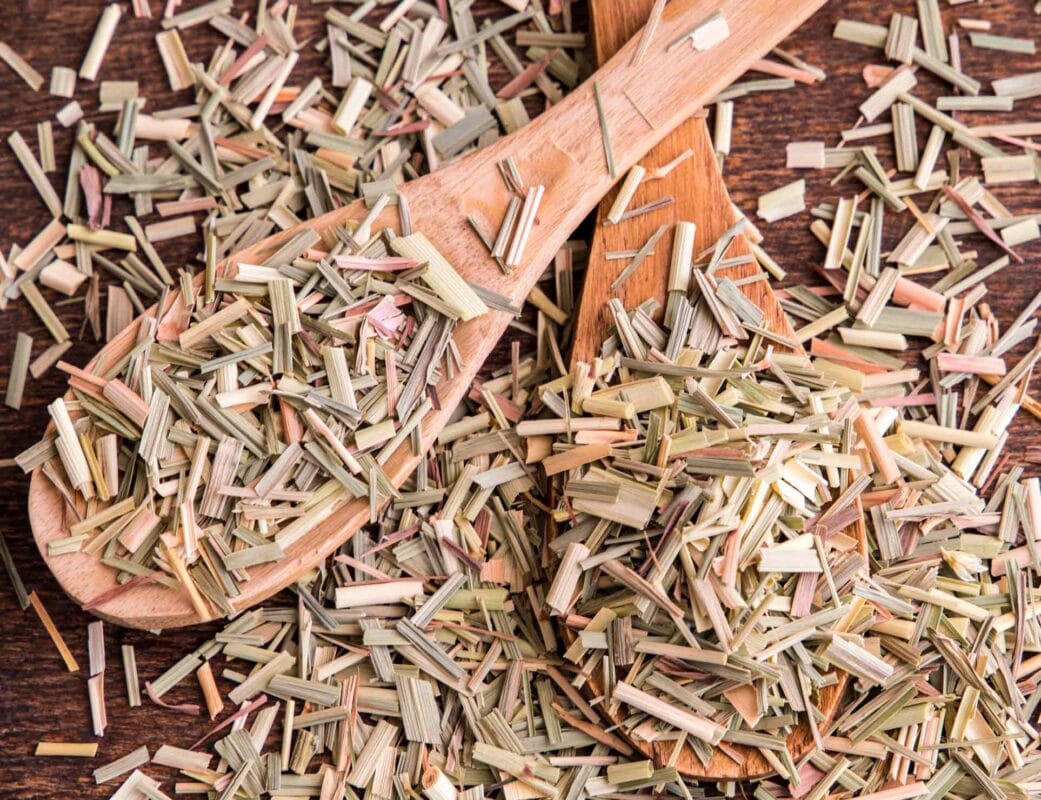
Dried lemon grass how to use in food processing
In addition to drinks, dried lemongrass is a significant food additive in the world food market. It particularly happens to be common in Asian-based product lines, which are also sold globally.
Key industrial uses include:
- Instant Noodles and Soups: Lemongrass provides a natural citrusy smell to the broth bases.
- Sauces and Curry Pastes: This is a staple of Thai, Vietnamese, and Indian cuisines.
- Marinades and Spice Mixes: This offers a fresh zest to meat, seafood and vegetarian dishes.
- Convenience Foods: Frozen foods and ready to eat curries use dried lemongrass to give the authentic flavour.
For many processors exploring dried lemon grass how to use, the dried form is preferable as it is easily incorporated into powder formulations and dry mixes, ensuring even distribution during the production stage. Currently, in comparison to fresh stalks, which need chopping, cleaning, and immediate consumption, the dried one comes ready to be processed in large quantities.
Lemongrass powder is especially appealing to the companies that make natural seasoning blends. It enables brands to sell clean-label seasonings in the absence of artificial lemon flavorings and this is in line with global consumer trends.
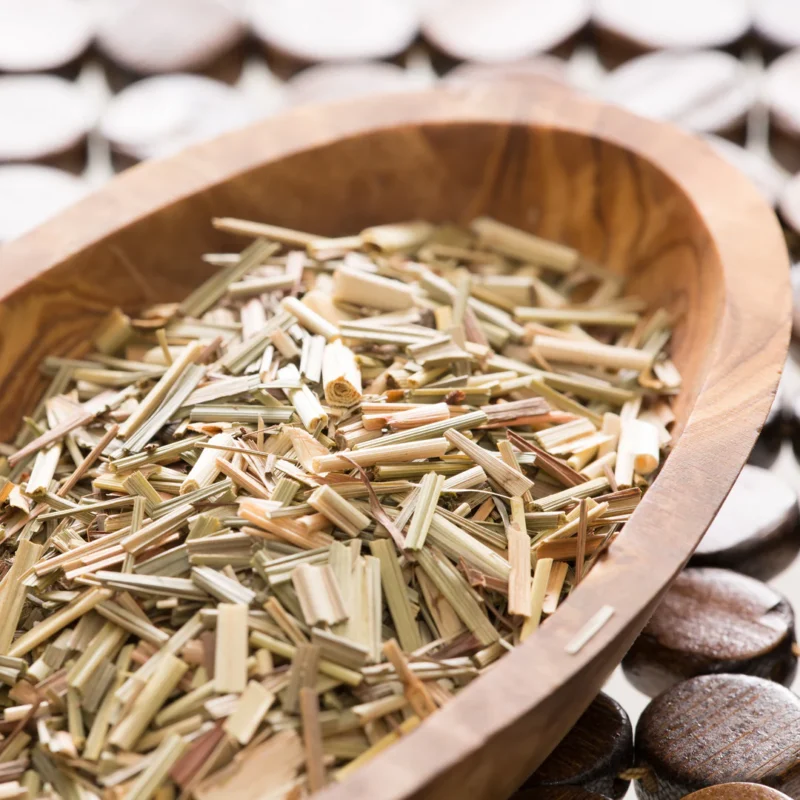
Why Vietnam is a reliable source for dried lemon grass and how to use it in bulk supply
Owing to the agricultural capabilities and export knowledge, Vietnam has become one of the most competitive suppliers of dried lemongrass in the world. The nature of the long tradition of growing herbs and favorable climate in the country makes it a strategic centre to international buyers.
Vietnam is a country that cultivates high quantities of lemongrass throughout the year with the major areas of production being the Mekong Delta and the Central Highlands. This is a large supply that guarantees the bulk importers with stability in sourcing at all times of the year.
Cost efficiency is also another strength. Favorable labour rates and well-established agricultural facilities enable Vietnam to provide competitive prices to high volume purchasers without reducing quality.
The nation is also advantaged by a good experience in exports. Vietnam has been a trusted provider of dried herbs and spices over the years with the backing of developed processing facilities of cutting, drying and packaging. This will allow the exporters to suit the various needs of the food and beverage production companies across the globe.
International certifications are also available to the importers. Most of the Vietnamese suppliers adhere to HACCP, ISO 22000, Organic and Halal requirements and hence their products are in tandem with stringent importation laws of the world markets.
Lastly, the logistics infrastructure of Vietnam is also an additional advantage. It has accessibility to large shipping routes in Asia and this means that exporters can easily access North America, Europe and the Middle East. To buyers, sourcing in Vietnam implies a high-volume, regular, and certified dried lemongrass, which minimizes risks in the supply chain and increases product competitiveness.
Conclusion
Learning dried lemon grass how to use is not only about recipes, it is about understanding how this ingredient is versatile and valuable at an industrial scale. Dried lemongrass is a flavoring, useful and cost-effective product to manufacturers around the world, whether it is herbal drinks, functional beverages, instant soups and seasoning mixtures.
The dried lemongrass as compared to freshness is more stable, has a longer shelf life and the cost of logistics is lower hence it is the viable option to international purchasers. Vietnam has a high supply and good export facilities and it can be considered as a reliable source of this valuable ingredient.
Dried lemongrass in Vietnam will make the right investment to importers who are interested in a stable, natural and cost effective ingredient. By collaborating with Vietnamese suppliers, you can be able to grow product lines, mitigate risks, and meet the growing demand of natural flavors all over the world.
For inquiries and orders, please contact us at:
- Facebook: Greatfoods
- Youtube: Greatfoodsvn
- Email: [email protected]
We are happy to partner with you in the future!