


A stable and predictable supply of raw materials is crucial in the global food manufacturing industry. The seasonal changes, quality of crops, and increased logistics have complicated fresh sourcing for most producers. This has seen canned vegetables and fruits as a strategic ingredient solution that provides year-round solutions, standard quality, and long shelf-life that can be processed industrially.
The canned ingredients used in production do not require standardization, as in the case of consumer-oriented products, the goods are standardized to meet the exact specifications in terms of Brix, texture, moisture, size cut, acidity, and flavor profile. This uniformity enables the food processors, soft drink manufacturers, and ready meal manufacturers to ensure that the quality of products is the same across the batches, as well as minimize wastage, simplify the inventory plan, and manage the cost of production more efficiently.
Understanding canned vegetables and fruits from an industrial perspective
Industrially, canned vegetables and fruits are not just any form of preserved food; however, they are standardized foodstuffs that are meant to sustain mass production. It starts with the well-chosen raw materials that are picked at the most appropriate maturity so that the natural flavor and other nutrients are retained. In a controlled process (usually, by retorting), these materials are washed, cut, blanched, filled, sealed, and sterilized in order to provide product safety and stability without artificial preservatives.
In the case of manufacturers, specification consistency is the defining advantage. Depending on the product use, each batch can be modified to achieve the desired Brix level, texture firmness, uniformity of color, pH, moisture content, and cut size desired in the process. The standard enables manufacturers in the bakery, beverage, ready-meal, and catering industries to ensure the same taste, texture, and appearance during production batches, irrespective of the seasonal difference or the availability problem with the fresh sourcing.
Also, there is a long ambient shelf-life of canned ingredients, and this limits dependence on cold storage and makes international logistics easier. This renders them especially appropriate with high-volume importers and processors working in locations where fresh agricultural provision is scarce or food safety demands are very rigid.
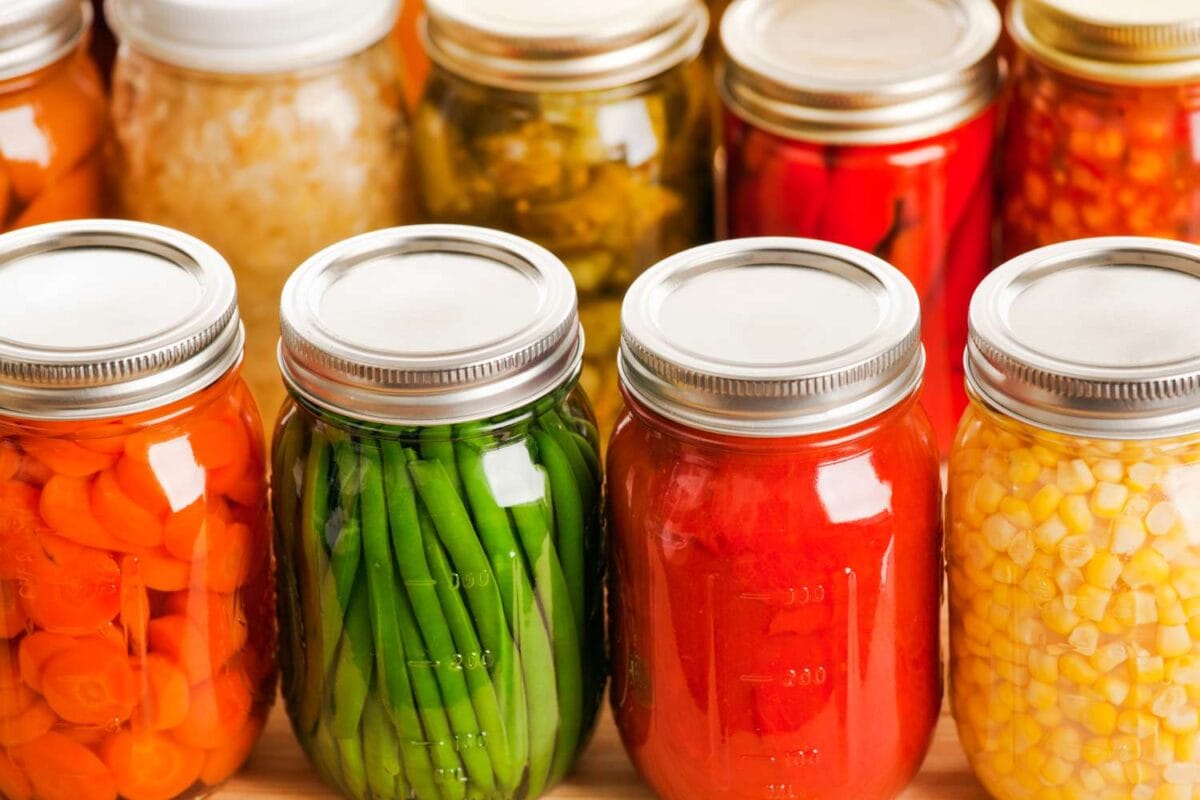
Advantages of canned vegetables and fruits for manufacturers and importers
As a food and beverage producer, the canned vegetables and fruits have a number of strategic advantages that directly influence the continuity of production, cost, and quality of the products.
Year-round availability independent of season
Crops are vulnerable to climatic conditions, harvesting seasons, and local agricultural factors. Canned goods, however, offer a constant supply all year round and allow manufacturers to set schedules of production without having to be interrupted by seasonal shortages or fluctuating prices.
Consistent quality across batches
Certainty plays a significant role in manufacturing. The specifications of canned ingredients are controlled, with regard to Brix to texture, and color, than every batch of finished product tastes and looks the same. The uniformity minimizes the modification of recipes and variation of quality through production.
Extended shelf-life with lower inventory risk
Canned ingredients have a long ambient shelf-life, which means that the company can keep its stocks in lengthy units without fear of spoilage or loss of dehydration that would be experienced by fresh or frozen products. This saves wastage, enhances the efficiency of warehouses, and aids in the planning of buffer stocks.
Predictable cost structure
The consistency and uniformity of costing are helpful in procurement and financial planning. Since processed canned products are packaged at the optimum harvest time and are canned, prices of these commodities tend not to be that sensitive to the short-term fluctuations in the market as fresh products.
Streamlined logistics and handling
Canned goods do not need cold chain storage, and this makes them easier to transport, store in warehouses, and distribute, especially in international deliveries and in areas that lack sufficient refrigeration facilities. This assists the importers in eliminating the total landed cost and operational complexity.
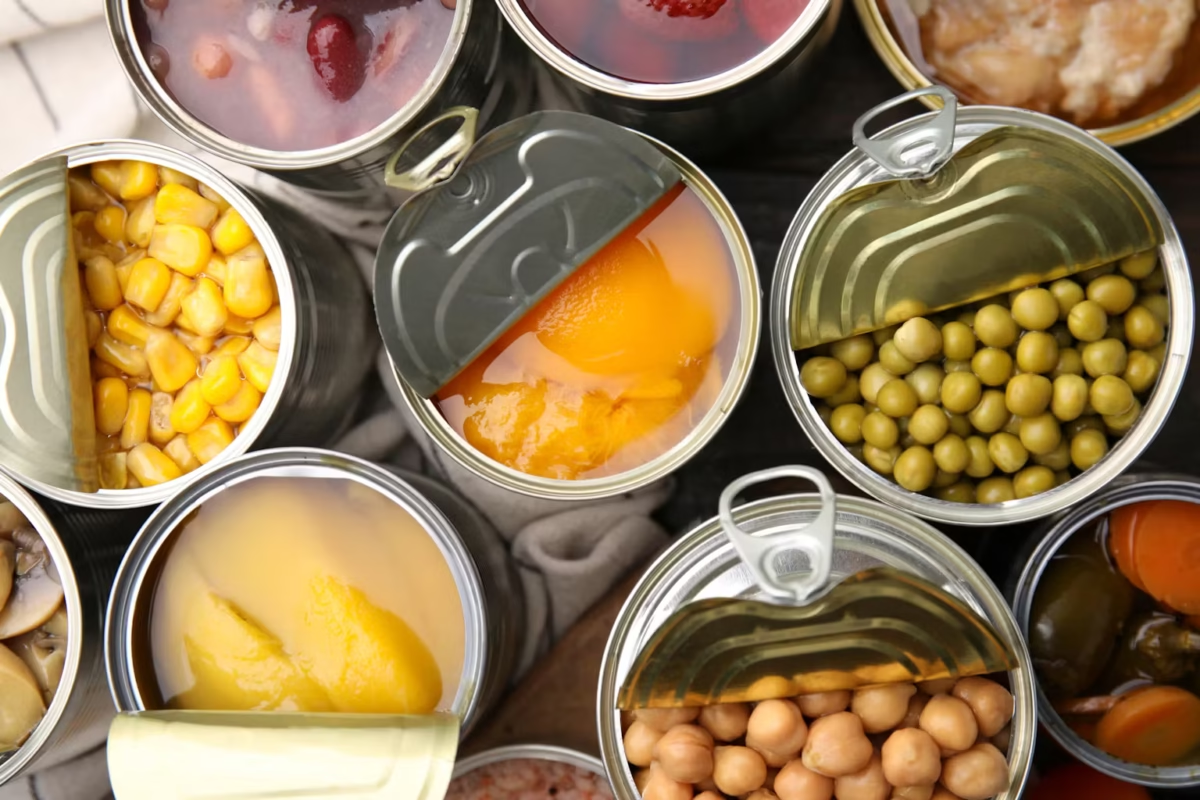
Applications of canned vegetables and fruits in food manufacturing
Ready meals and prepared foods
Canned vegetables and fruits give food manufacturers a consistent base of ingredients to use in the production of ready meals, meal kits, and convenience meals. They produce in large amounts without experiencing changes between batches due to their uniform cut, taste, and texture. This guarantees a consistent cooking pattern in the course of thermal treatment and the homogeneous look of the product on the shelf.
Soups, sauces, and purees
The ingredients used in the soup and sauce industry provide high levels of control in terms of viscosity, taste, and color. Fruits and vegetables are canned, and can be used directly or further processed into purees, concentrates, and fillings, allowing the producer to obtain a high level of accuracy in formulation and shorten the time of preparation. They are also sterilized, which enhances microbiological safety in the end product.
Bakery fillings and desserts
Standardized sweetness (Brix) and texture hardness are needed in the bakery and confectionery industries. Fruit fillings available in cans are dependable in providing the specifications needed to be used in pastries, cakes, tarts, yogurts, and there are ice cream toppings. This will limit trial-and-error in the production process and lessen the variation in the result sensory profile.
Beverage processing and smoothie bases
To beverage manufacturers, canned fruits (especially light syrup or juice type ones) provide stable amounts of soluble solids and acidity. These products can be incorporated directly into juice formulation, smoothie bases, and fermented drinks without variation in flavour intensity or colour.
Catering, institutional supplies, and food service
Canned ingredients are useful to hotels, restaurants, hospitals, schools, and airline catering services because of their long shelf-life, easy portioning, and little preparation. This will provide rapidity and stability in kitchens where service volumes are high.

Vietnam is a competitive source for canned ingredients
Over the recent years, Vietnam has emerged as one of the major sourcing countries of canned vegetables and fruits due to its high agricultural foundation and the rising capacity for better processing. Vietnam has the capability of having large and diversified zones of raw materials, be it tropical fruits or temperate vegetables produced in highlands; however, this allows the stable supply of raw materials all year round, and this helps the manufacturers who need to have constant input in the planning of the production process.
The nation is also enjoying the benefits of competitive production and labor costs, which enable enabling to stabilize prices even when the global freight markets or commodity markets are volatile. To the buyers in Asia, the Middle East, and the EU, such a cost advantage can be translated into predictable procurement costs and competitive landed costs relative to other sourcing origins.
Moreover, the processing plants in Vietnam have continued to implement global food safety and quality management standards, including the HACCP, ISO, BRC, Hala,l and FDA compliance. This will allow the suppliers to comply with stringent regulatory, labeling, and traceability standards in a large variety of export markets. Together with the enhancement of logistics infrastructure and high-quality export experience, Vietnam can provide a sourcing environment of quality, consistency, and commercial competitiveness, a factor that is vital when manufacturers are looking to scale the long-term product lines.
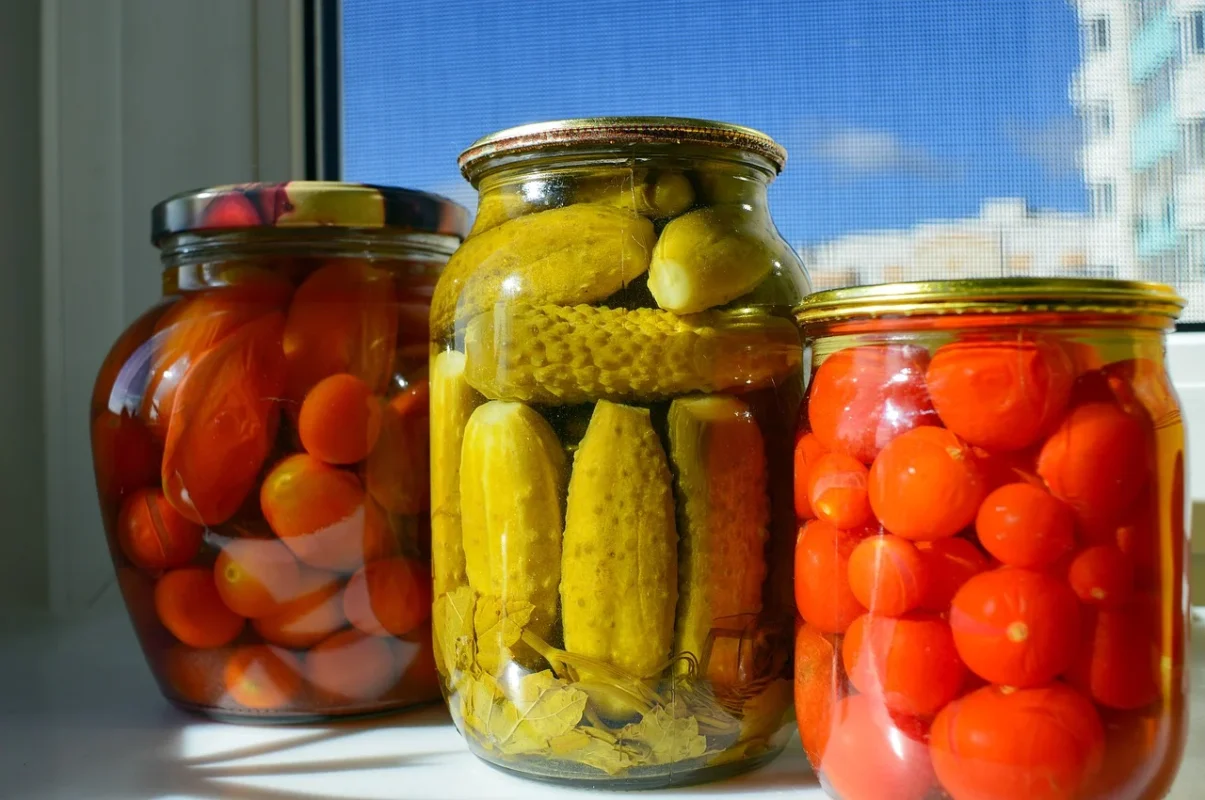
Greatfoods – Reliable export partner for canned vegetables and fruits
Greatfoods offers its customers a variety of canned vegetables and fruits that are produced in the major Vietnamese agricultural and processing areas. Having access to a stable raw material network and being in close contact with the local producers, we can contribute to the buyers of a stable supply and competitive price in several market cycles.
Our products can be used in industrial applications and are standardized, including Brix levels, cut size, texture, and color, which are appropriate in ready meals, beverage processing, bakery production, and institutional catering. The following shipping is provided with COA, quality check-up report, and export documentation, which guarantees complete transparency and adherence to international standards.
Greatfoods has been selling to importers and manufacturers in Asia, the Middle East, and the EU, providing a variety of flexible packaging and the capability to customize product specifications and design to fit the formulation needs. We aim to assist our partners with the long-term stability of production and performance of the supply chains.
Conclusion
With the world food production trend still being on supply chain stability, canned vegetables and fruits have become a reliable ingredient source among the food manufacturing companies that require predictable quality, predictable prices, and availability throughout the year. Vietnam has good sourcing of raw materials and competitive processing, and therefore can address these needs with high willingness and therefore Greatfoods is determined to provide harmony, product reproducibility, and export services that would sustain growth in manufacturing.
For inquiries and orders, please contact us at:
- Facebook: Greatfoods
- Youtube: Greatfoodsvn
- Email: [email protected]
We are happy to partner with you in the future!